Developing Ceramic Ashes from Incinerator Bottom Ash
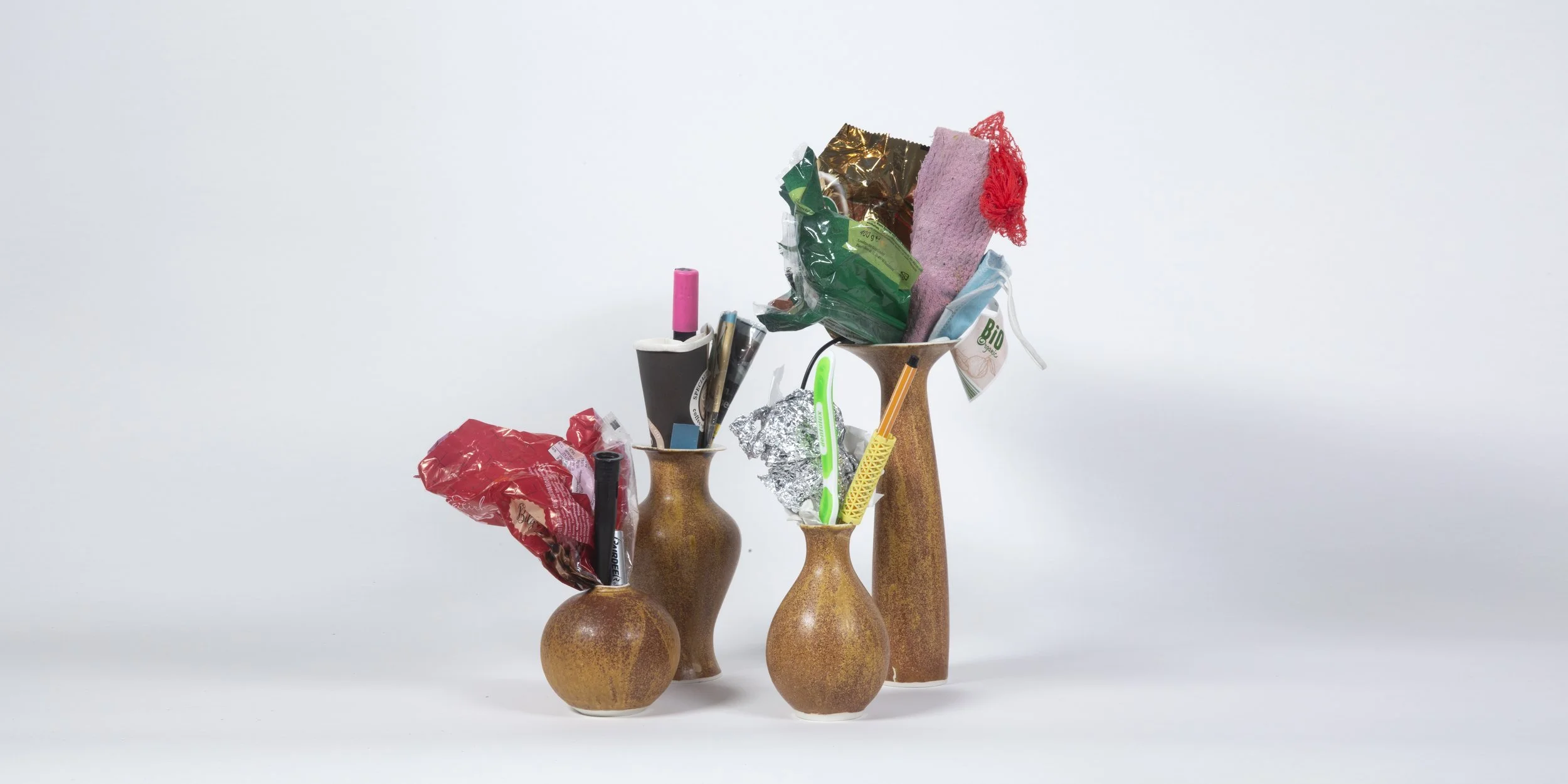
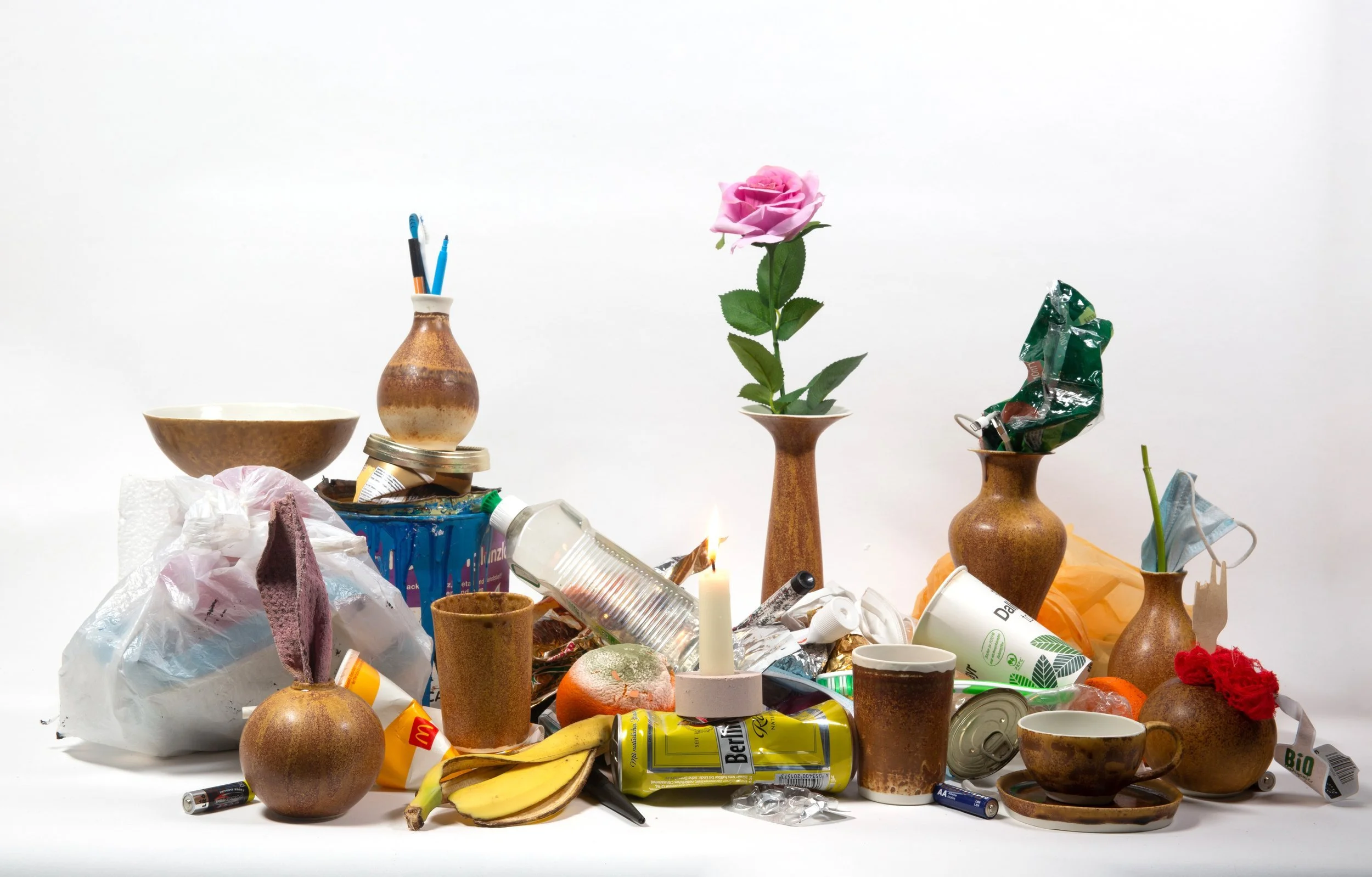
Food waste, toothbrushes, broken glasses, nappies, sometimes even electrical appliances – we throw away a lot of stuff.
Waste incineration plants help us to make the resulting mountains of rubbish disappear. But what remains when our residual waste is exposed to the flames?
As it turns out, two things: a lot of hot air and a big mountain of ash. The former is turned into electricity by turbines and turns on the lights in a good 100.000 Berlin households.
The ash is a little more complicated: some of it is so toxic that it is stored in old salt mines. The other part is not non-toxic either, but can still be used as a building material, especially in road and landfill construction. And the quantity in which this „bottom ash“ accumulates is impressive: The whole of Berlin produces around 180.000 tonnes a year; 130 grams of ash per day per Berliner.
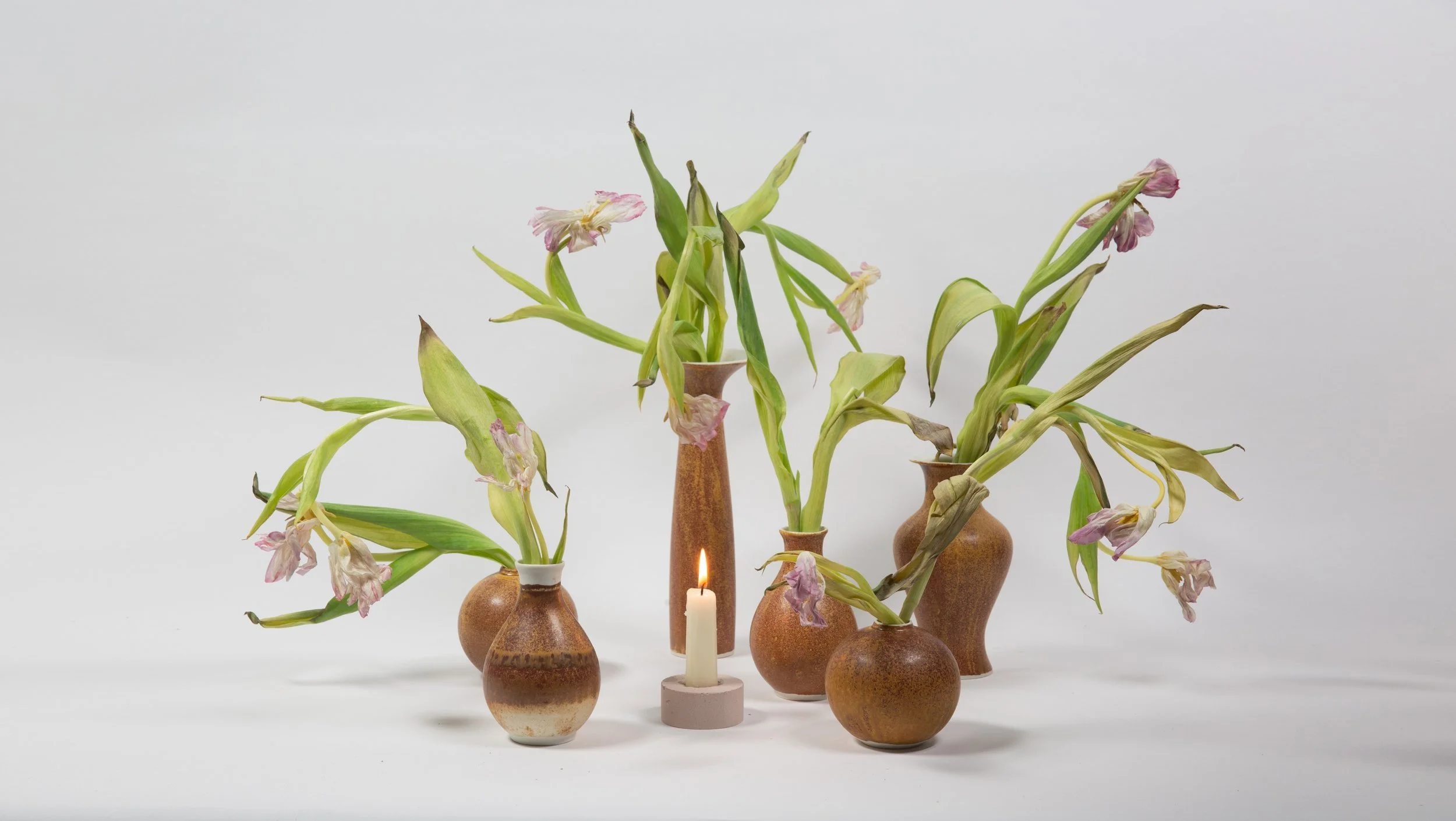
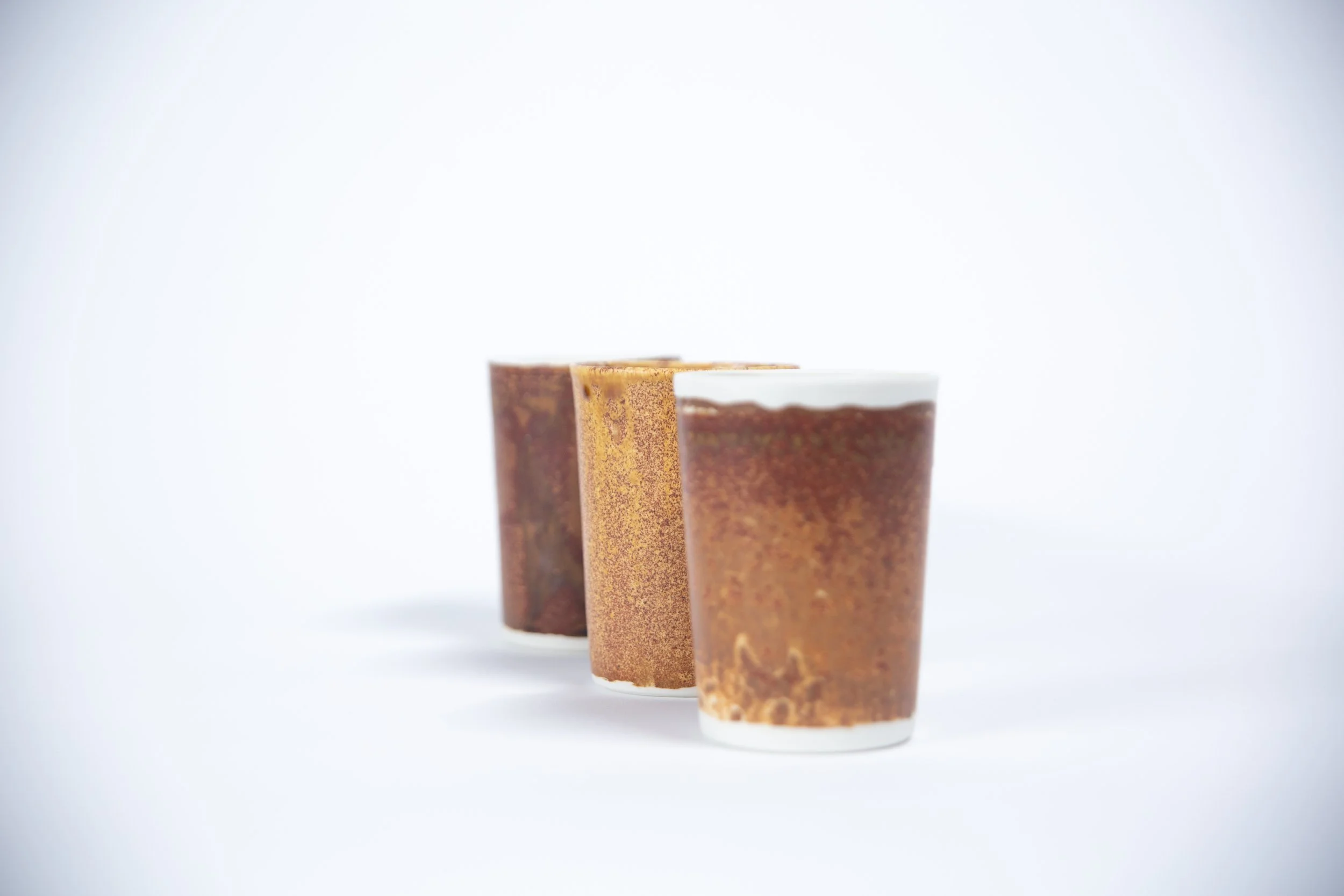
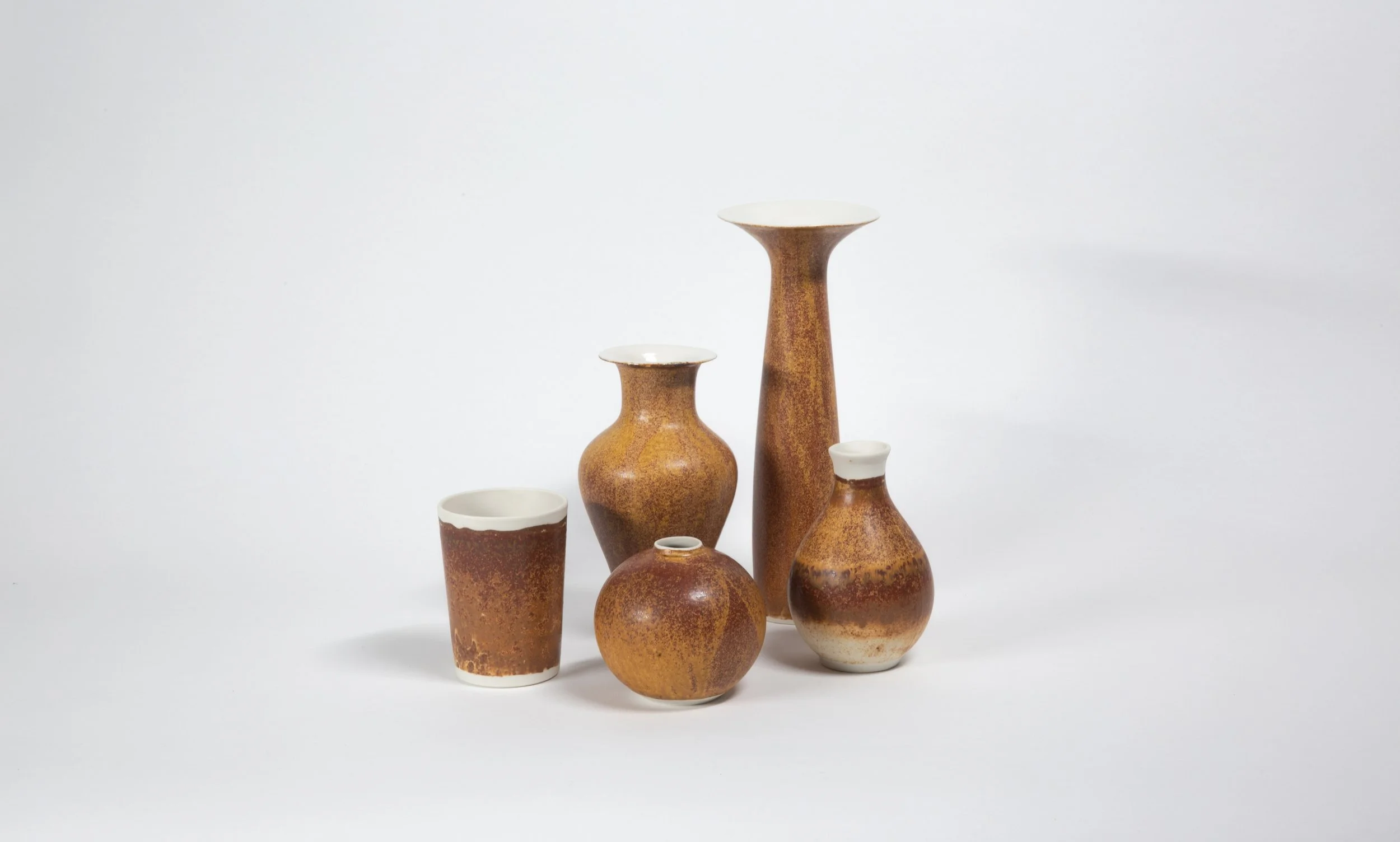
Our research looks for uses for this very personal and local material and uses ceramic processes to bring the grey ash of our waste back into our everyday lives through new objects.
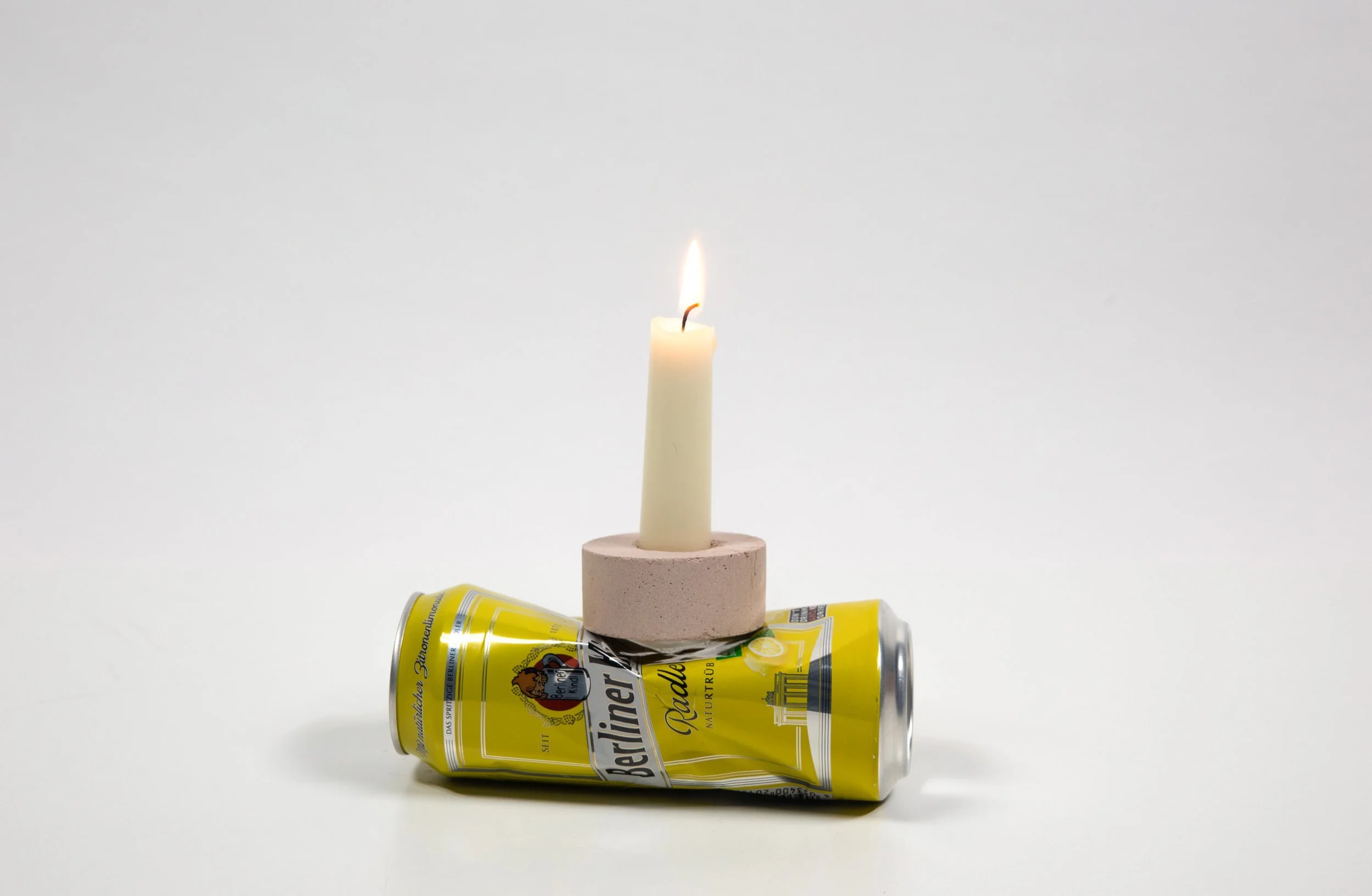
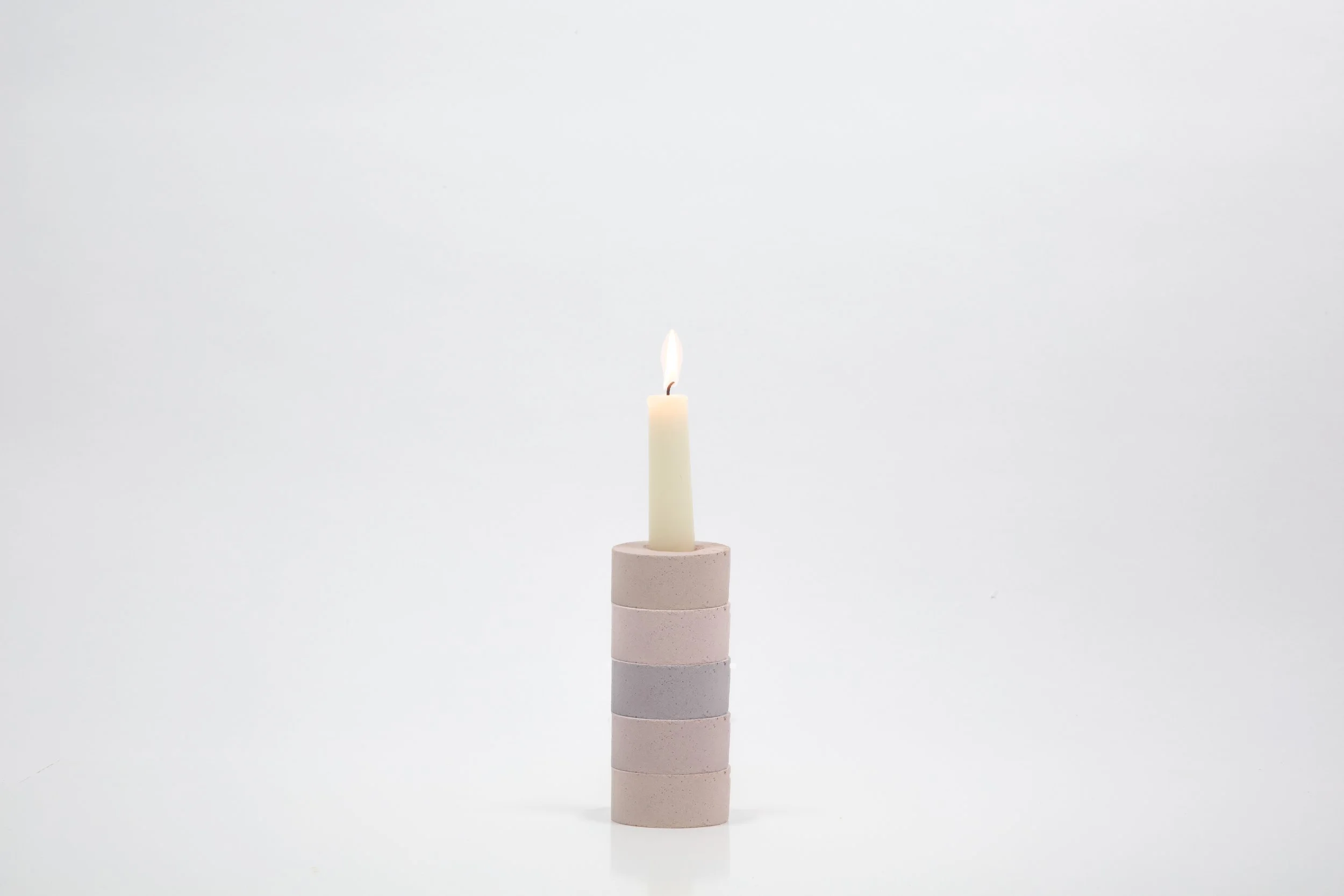
Glazes are created in which the different ingredients of our “rubbish bin recipes” become visible and candle holders in which the 130 grams of Berlin’s daily ash become ceramic material, which can be collected and stacked as an object day after day after day after day.