Researching Interspecies Design & its complexities
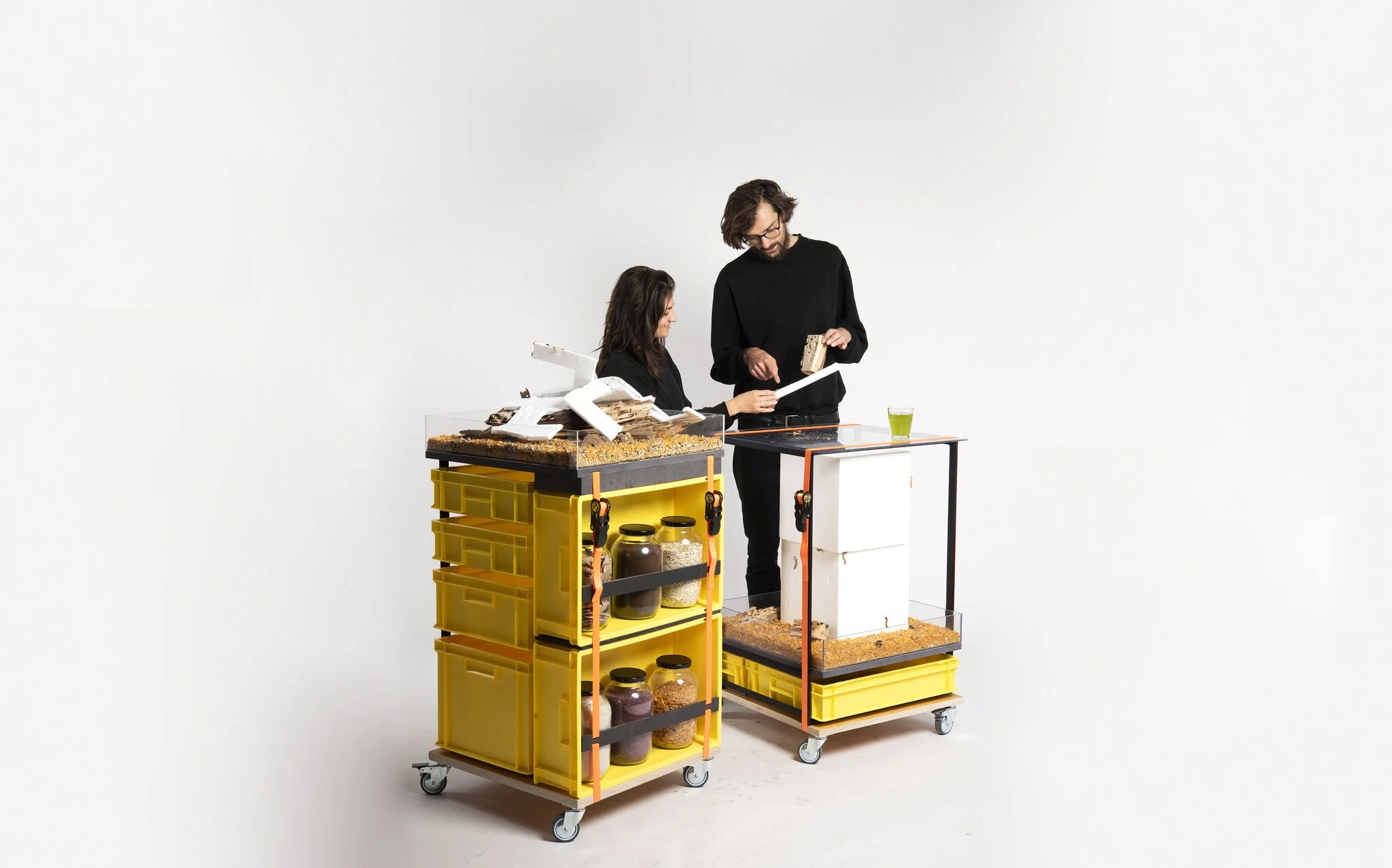
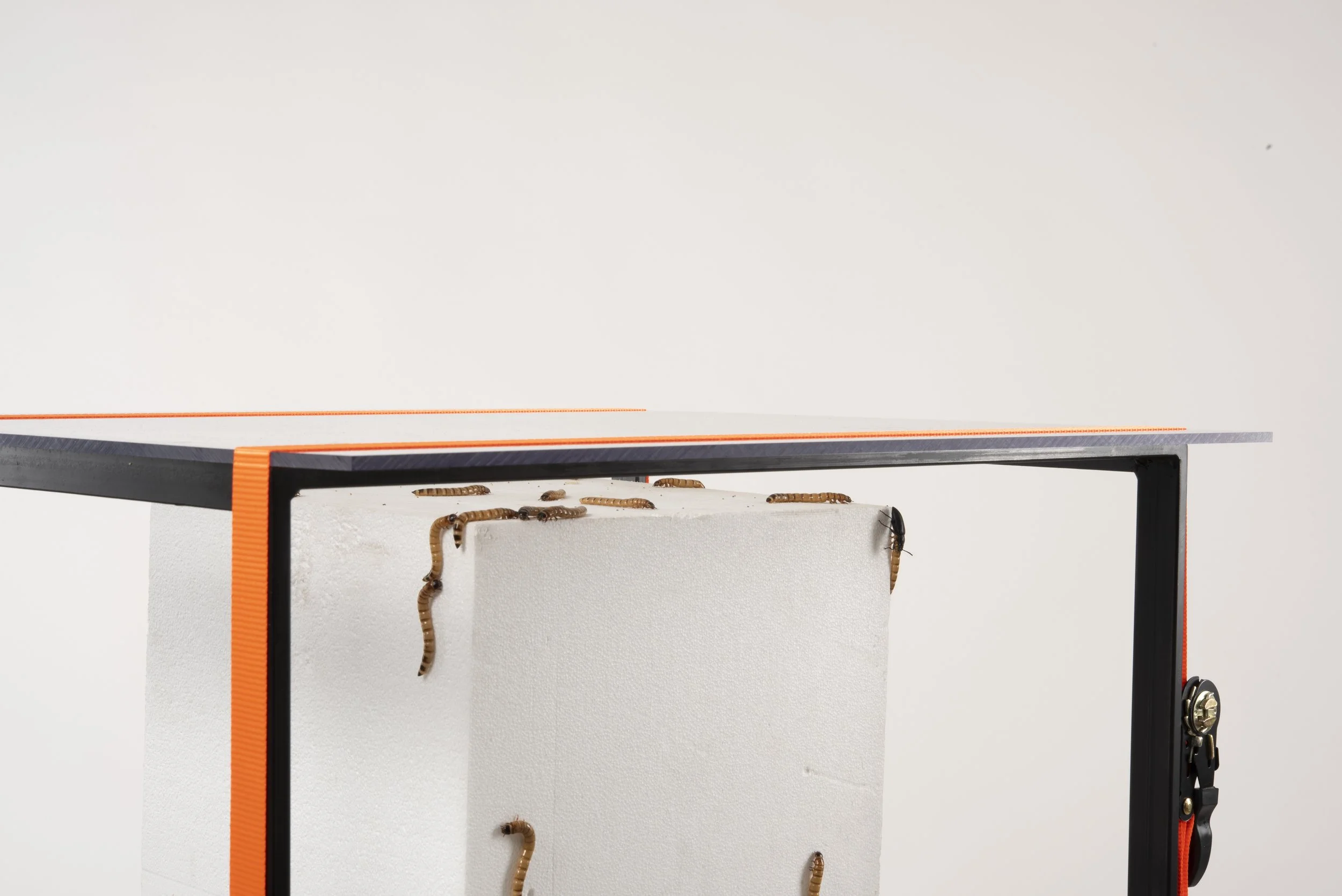
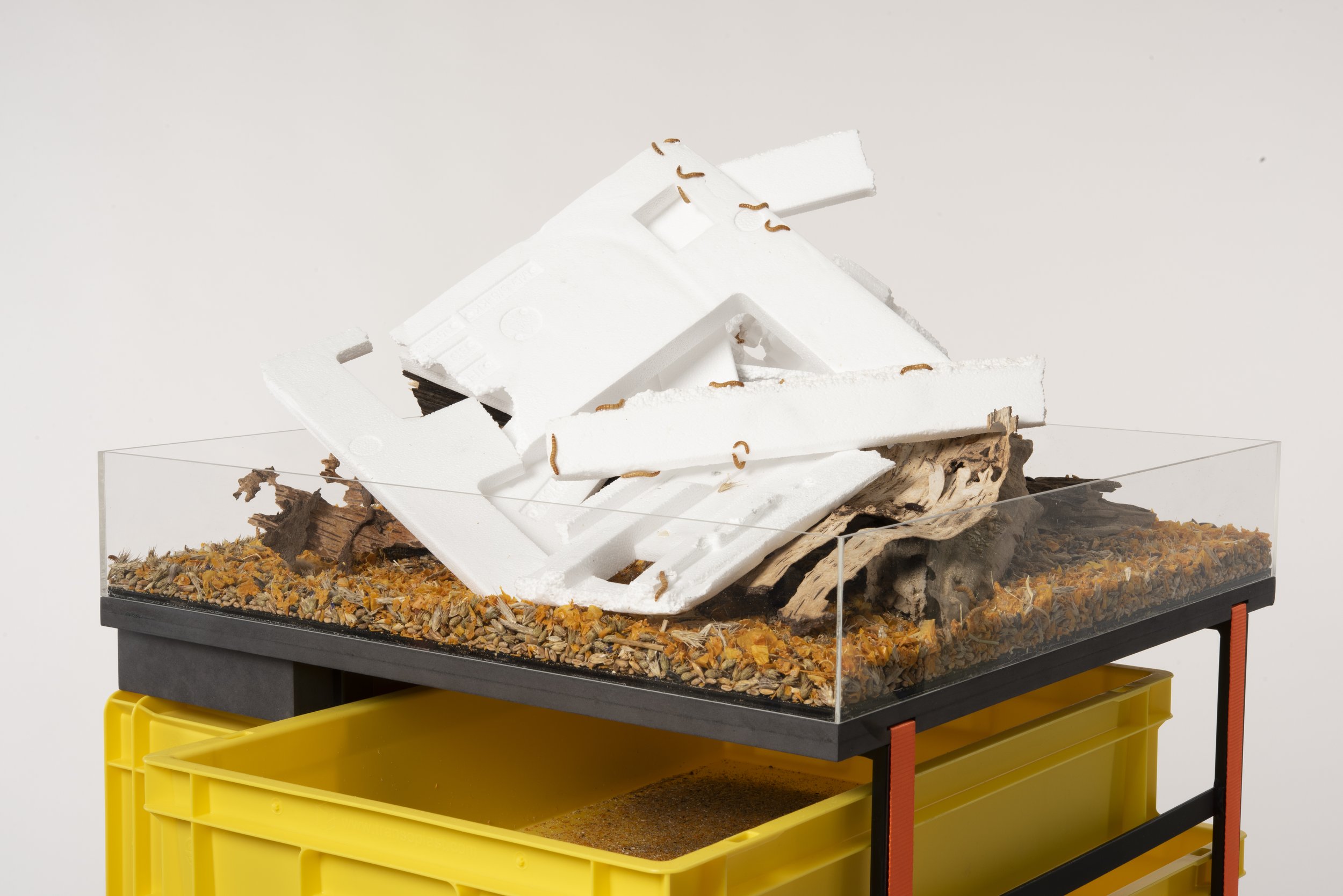
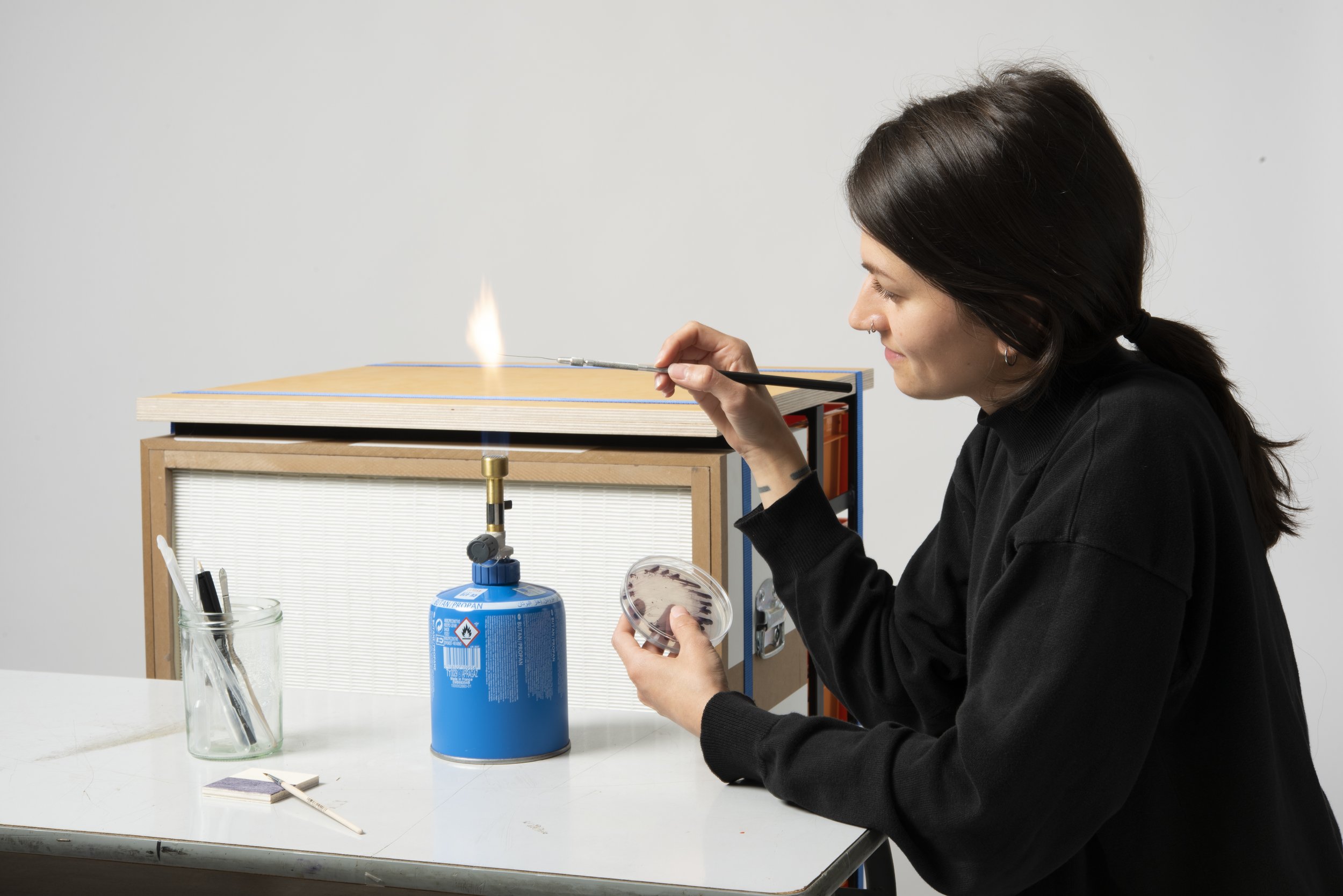
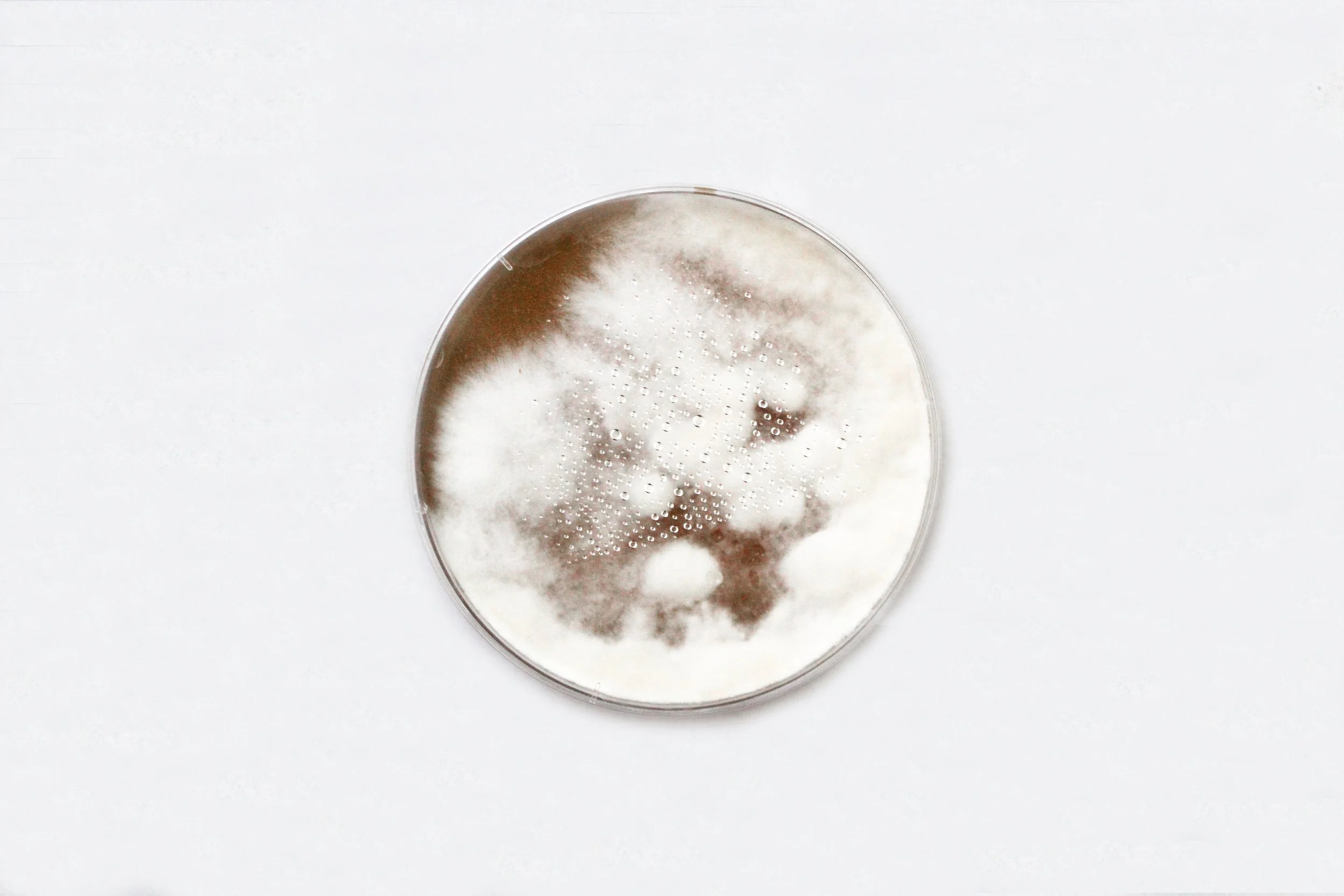
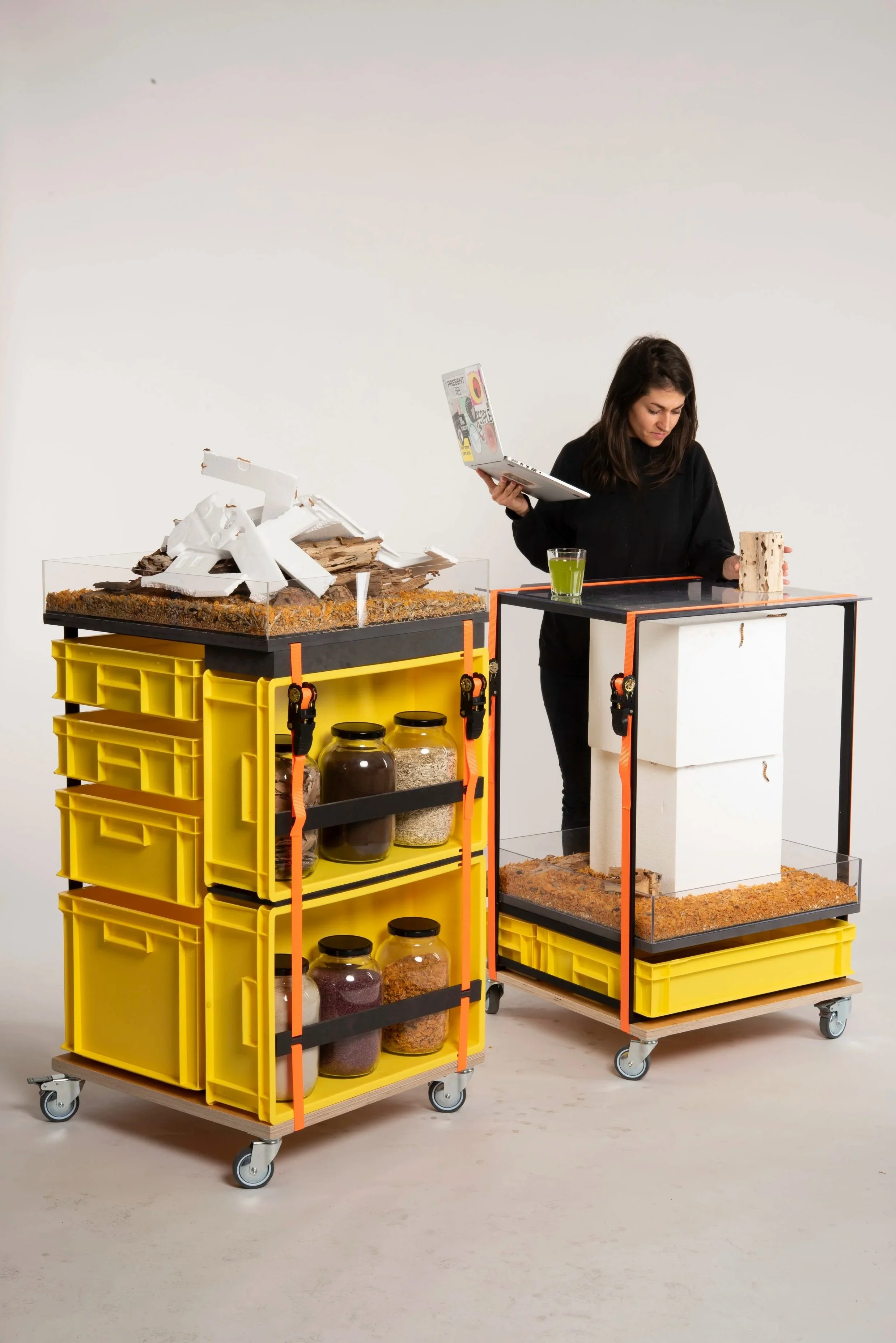
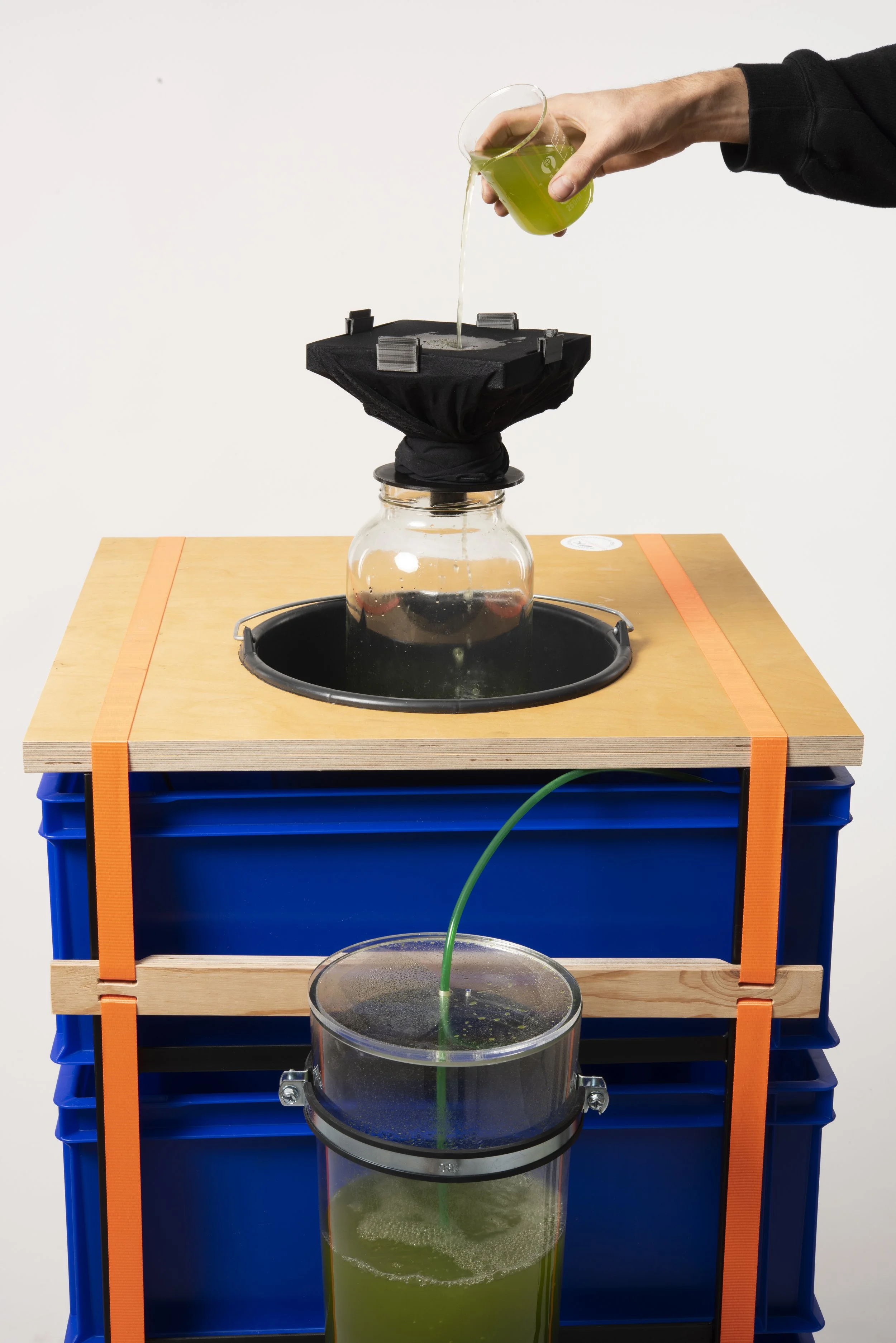
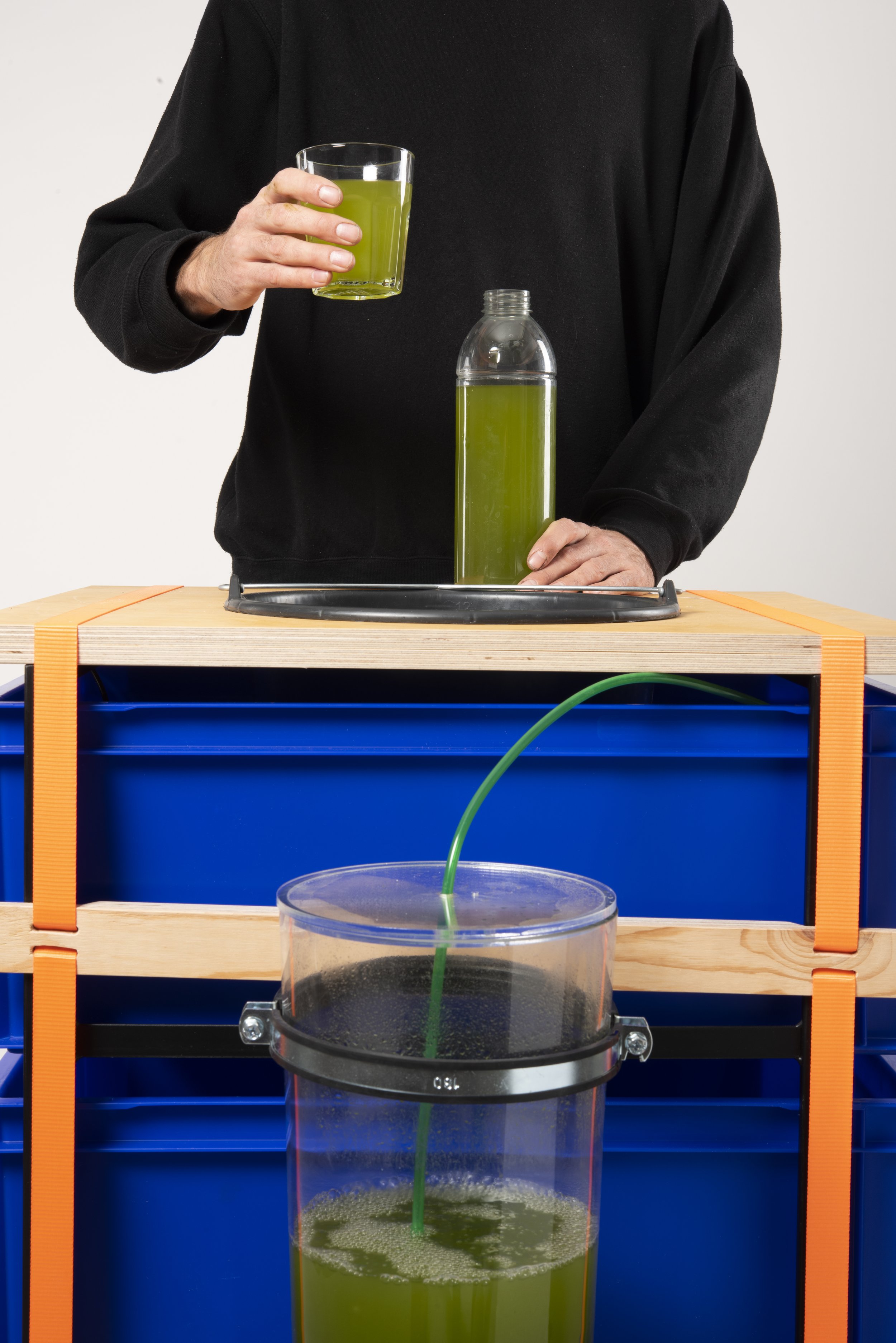
Interspecies Design is gaining traction. Within this project we looked at the complex relationships, challenges and opportunities of working with other species to develop a material future for surviving on this planet. Creating a workspace to welcome fungi, airborne bacteria, darkling beetles as well as algae, the project sets out to continue to research the complexities of interspecies relationships.
What does it mean to collaborate with other species? And how does a one-sided dependency turn into collaboration or even symbiosis?
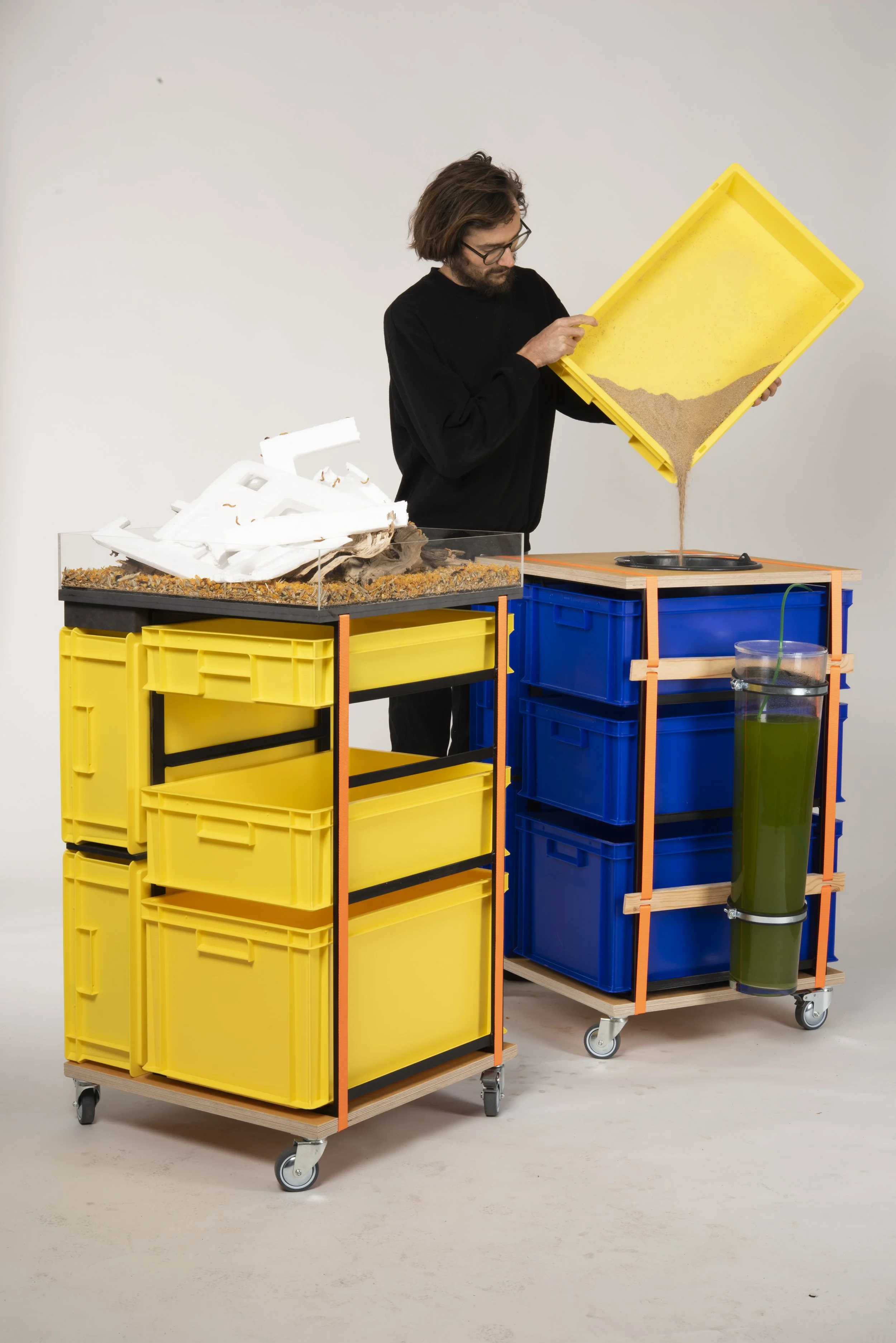
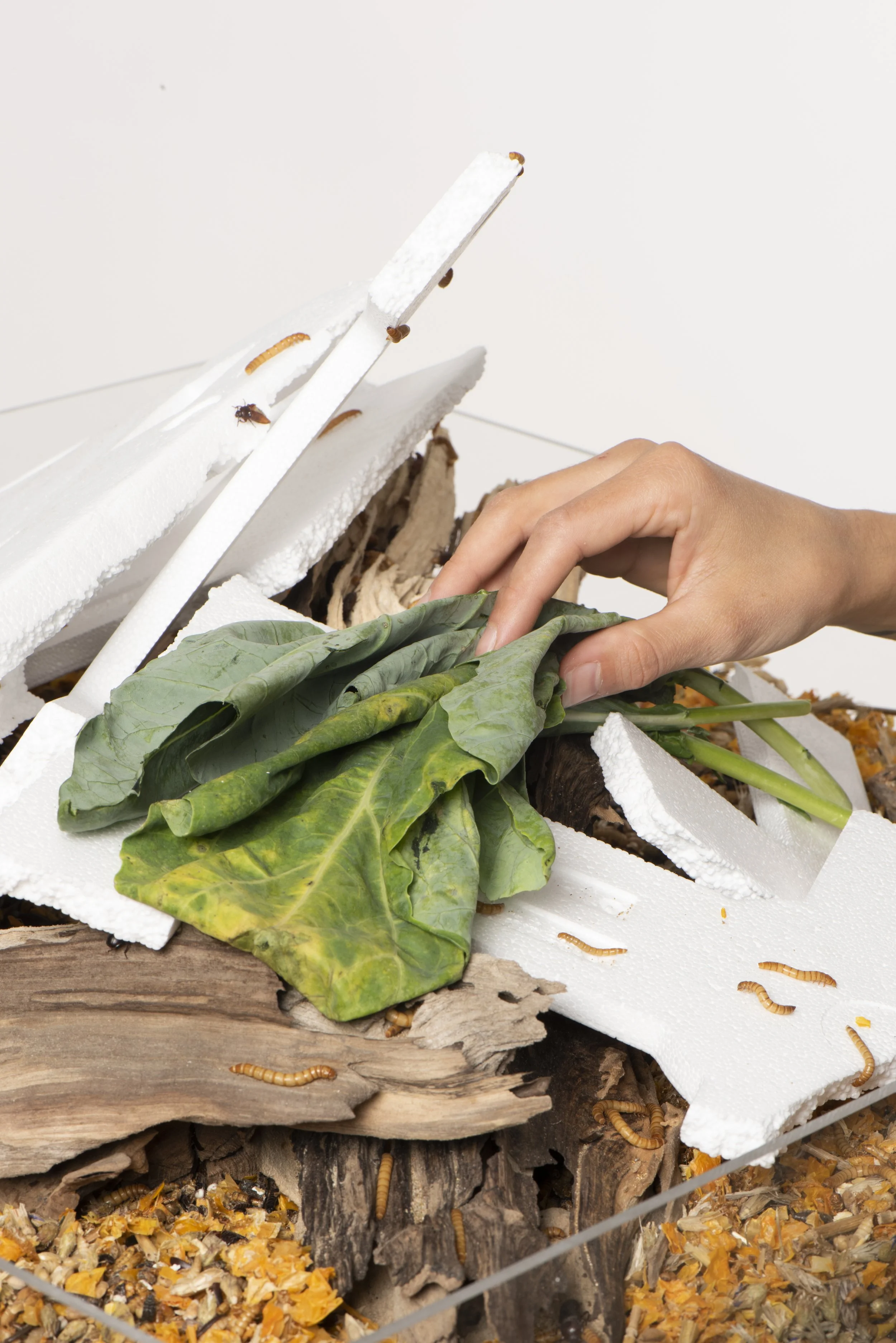
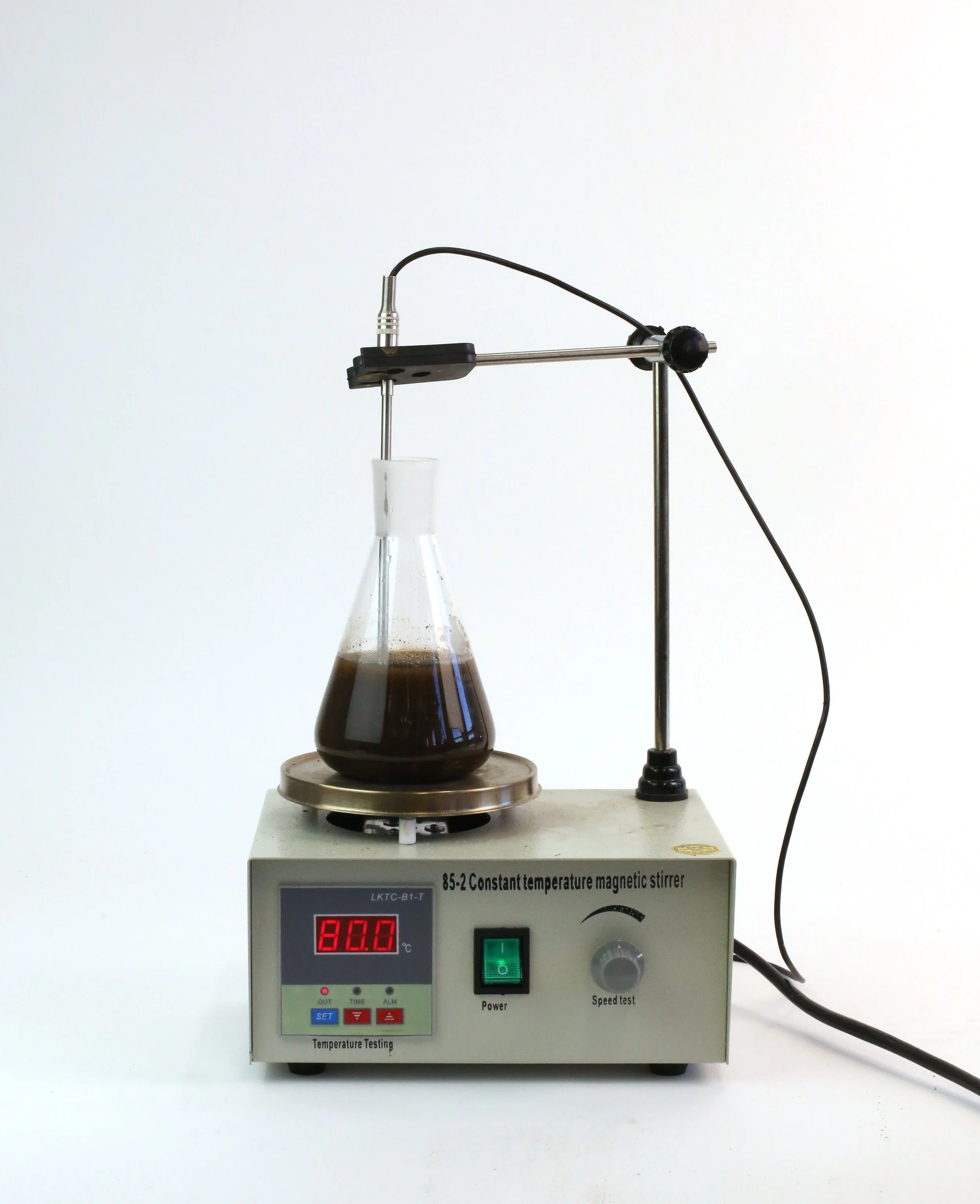
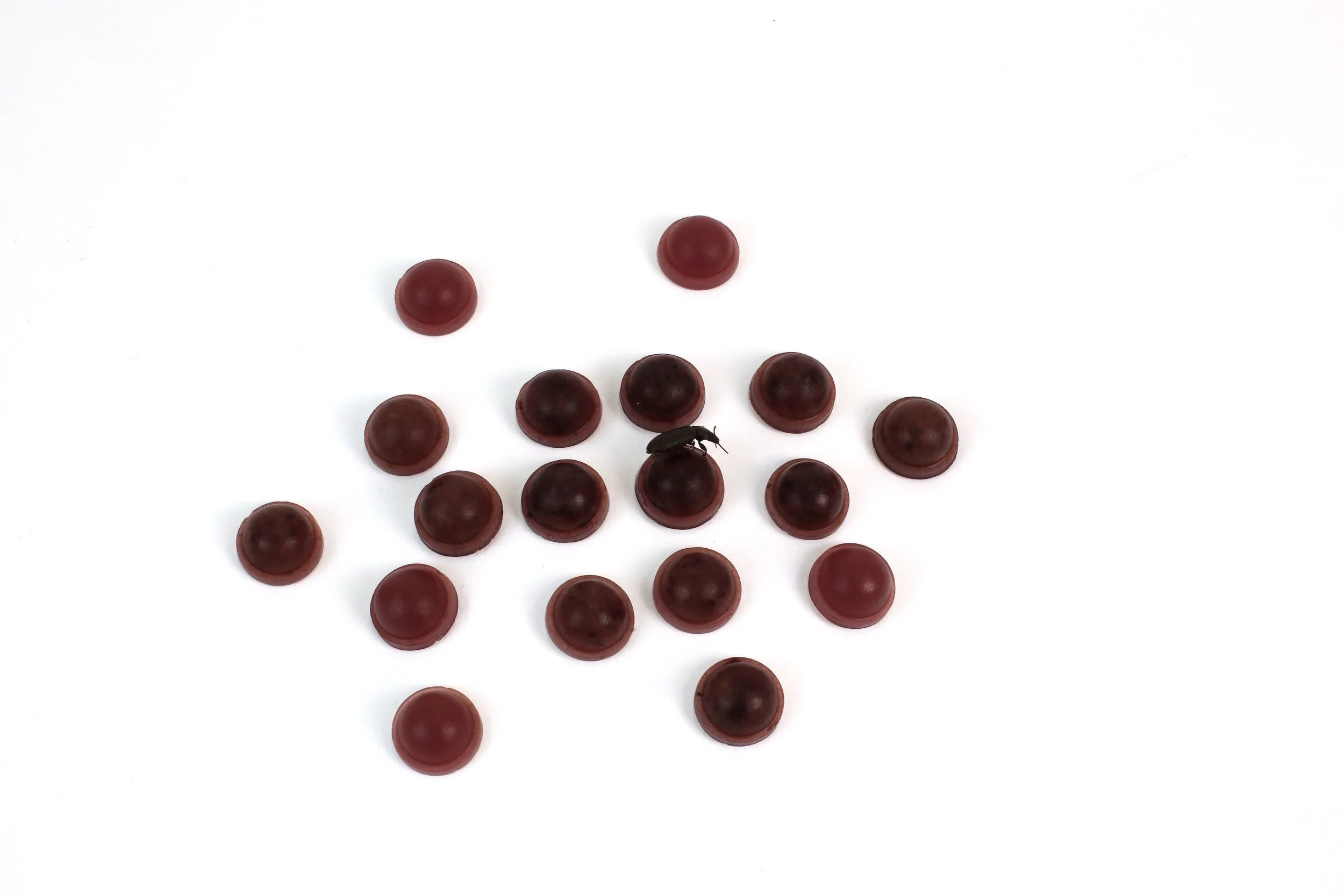
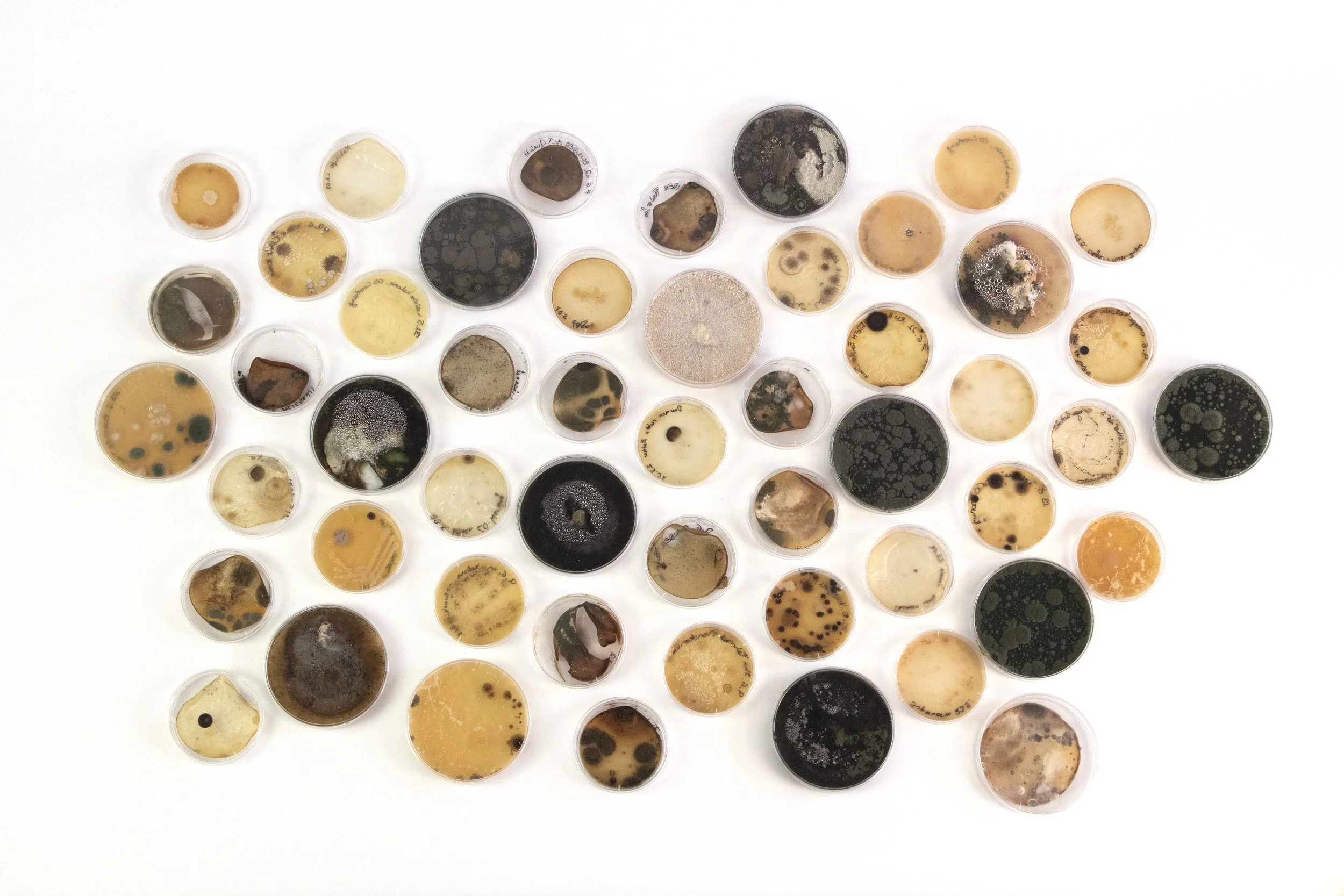
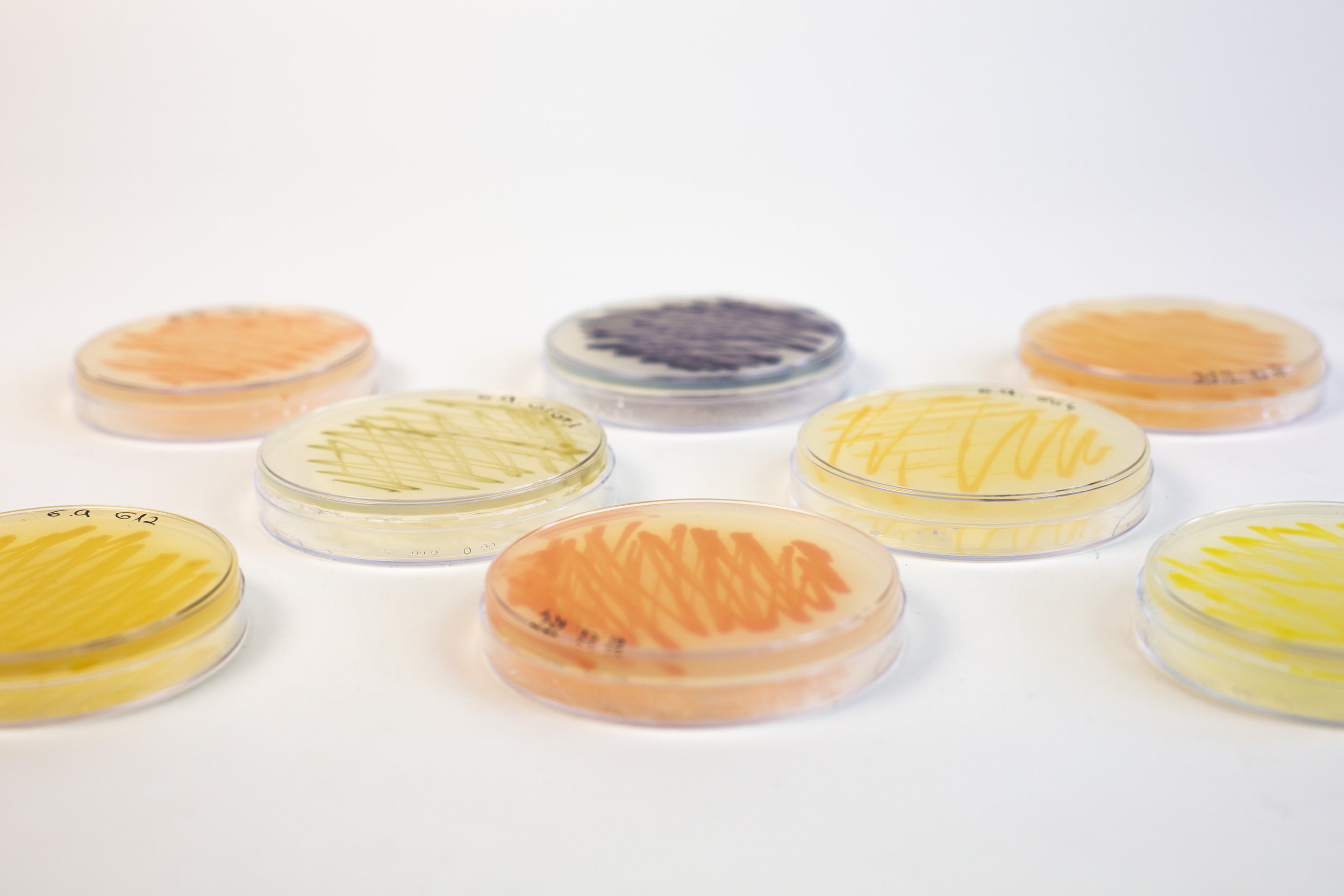
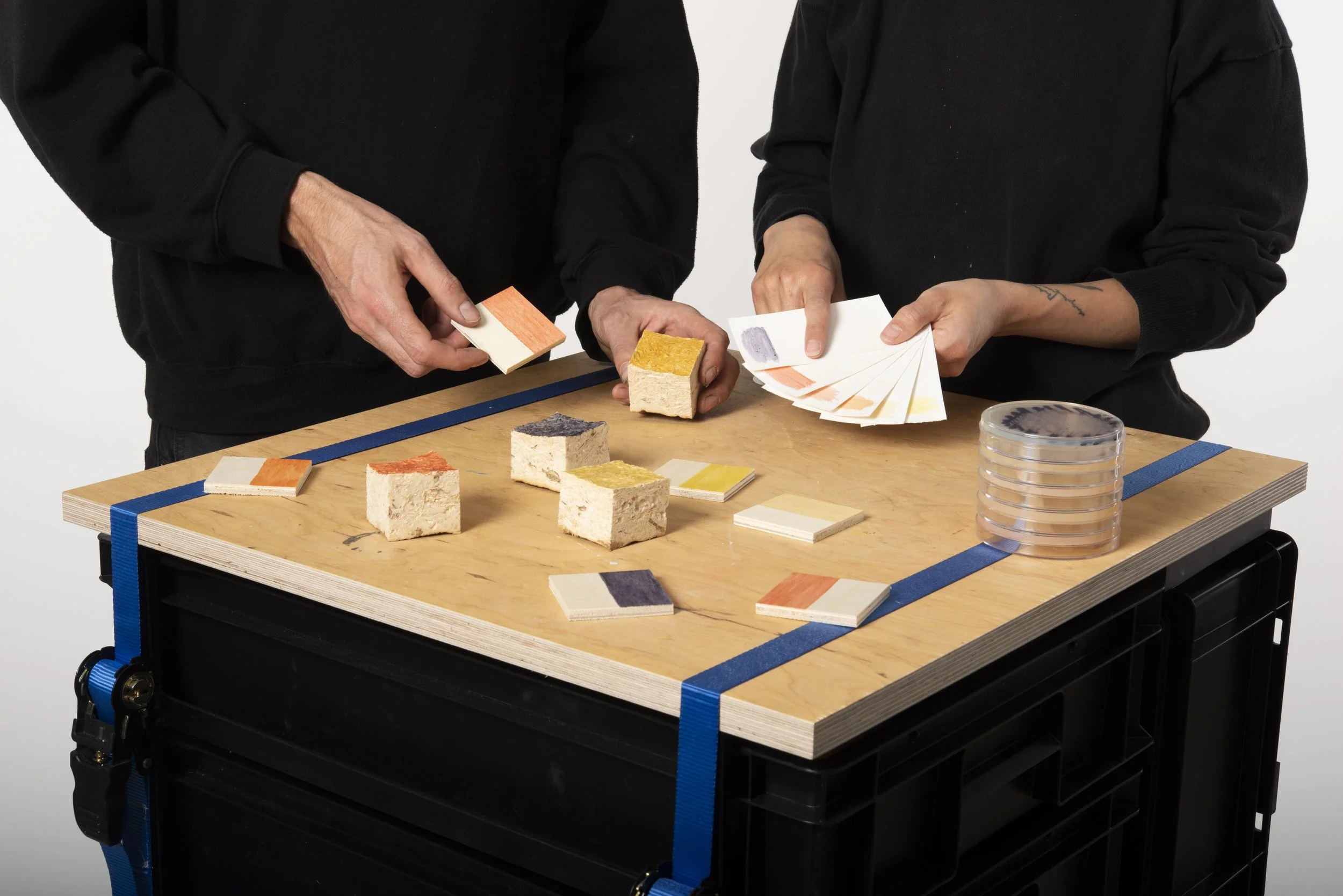
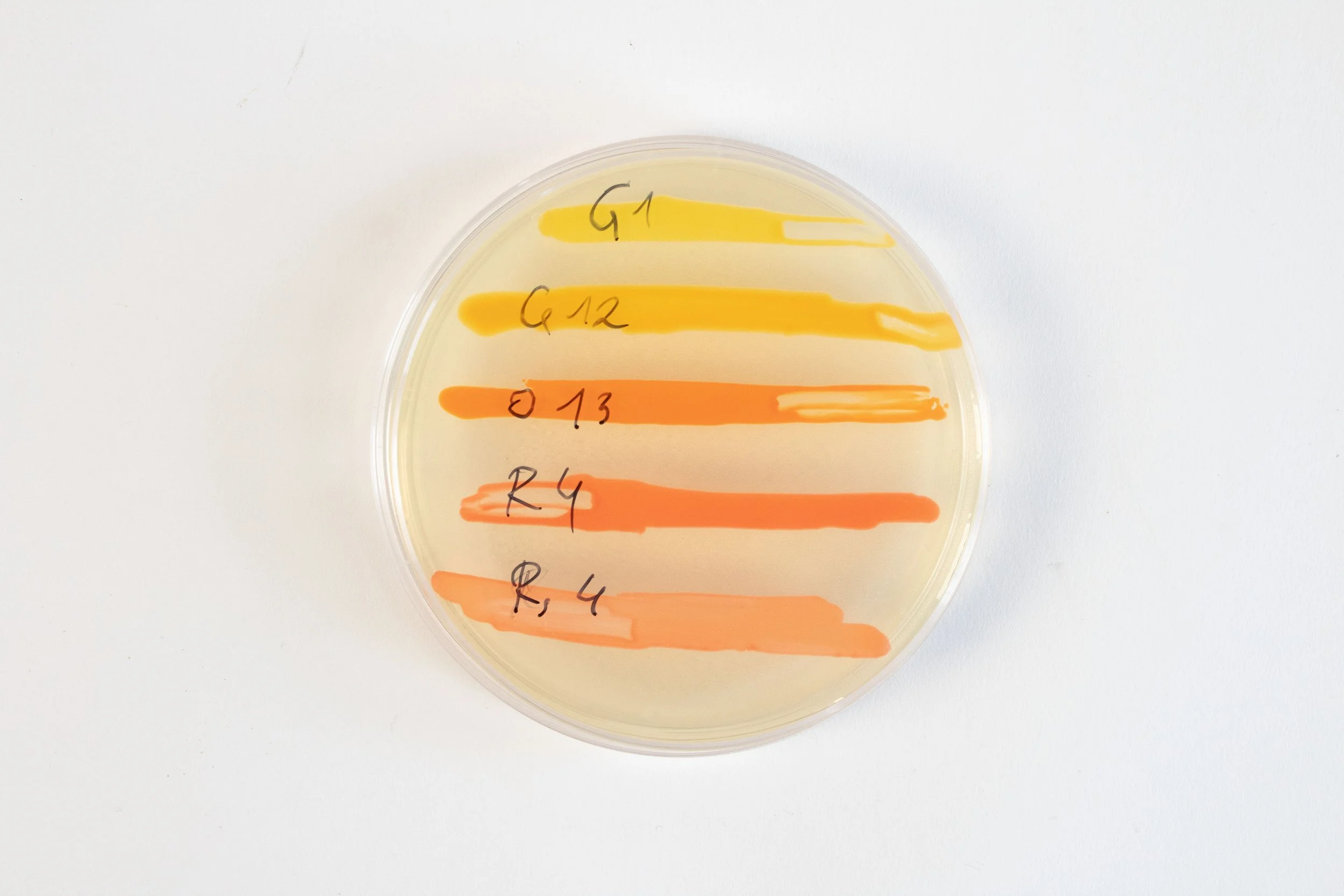
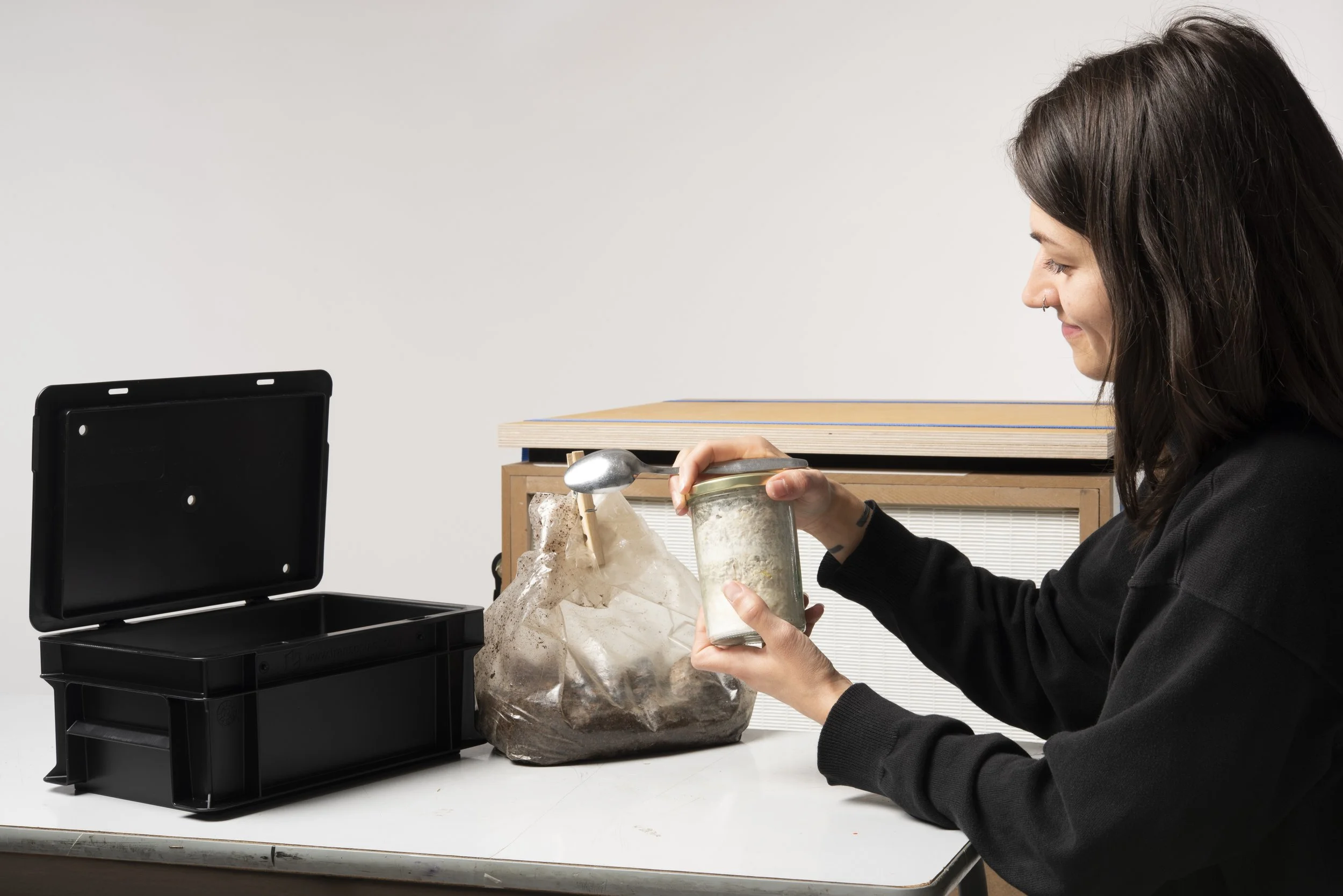
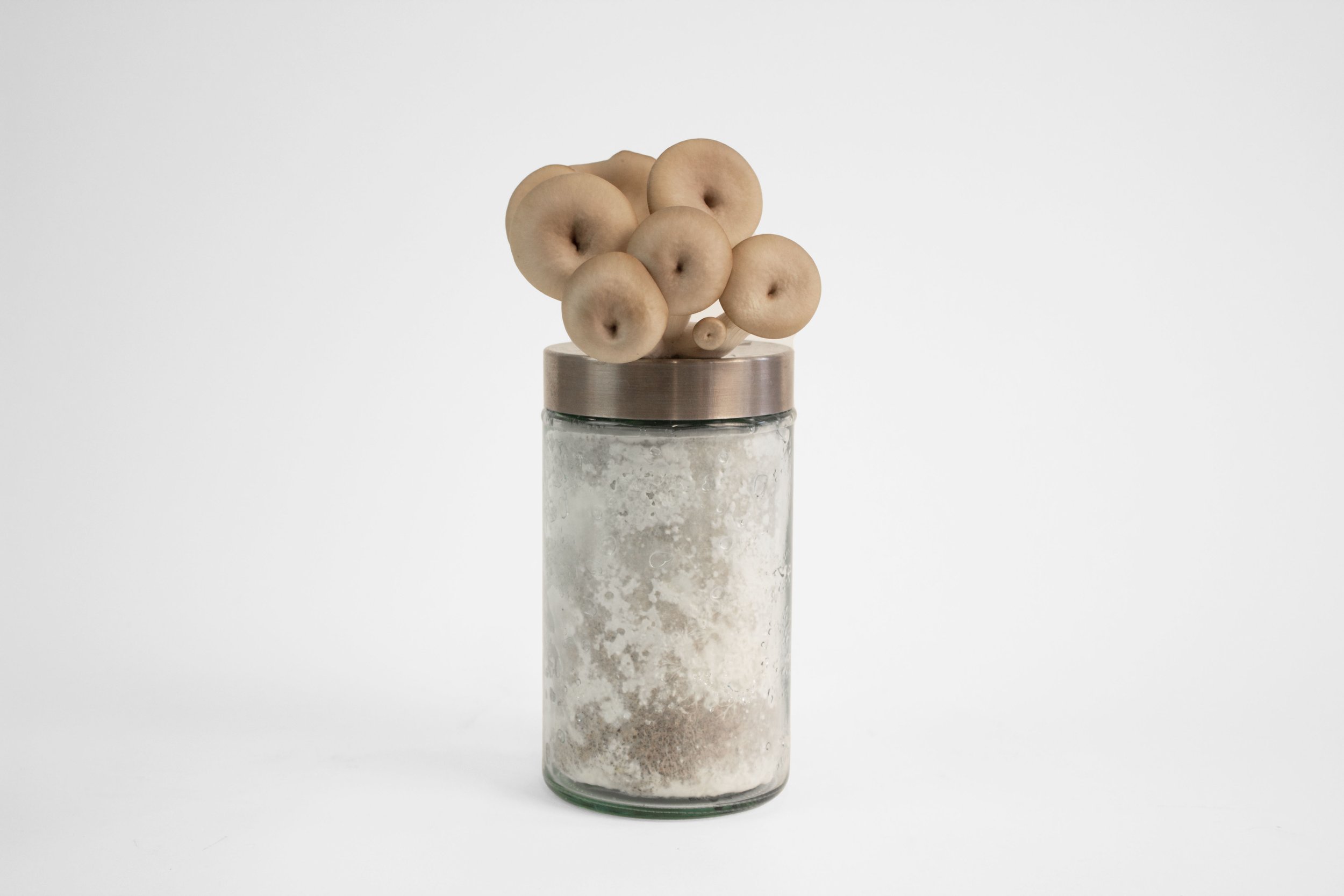
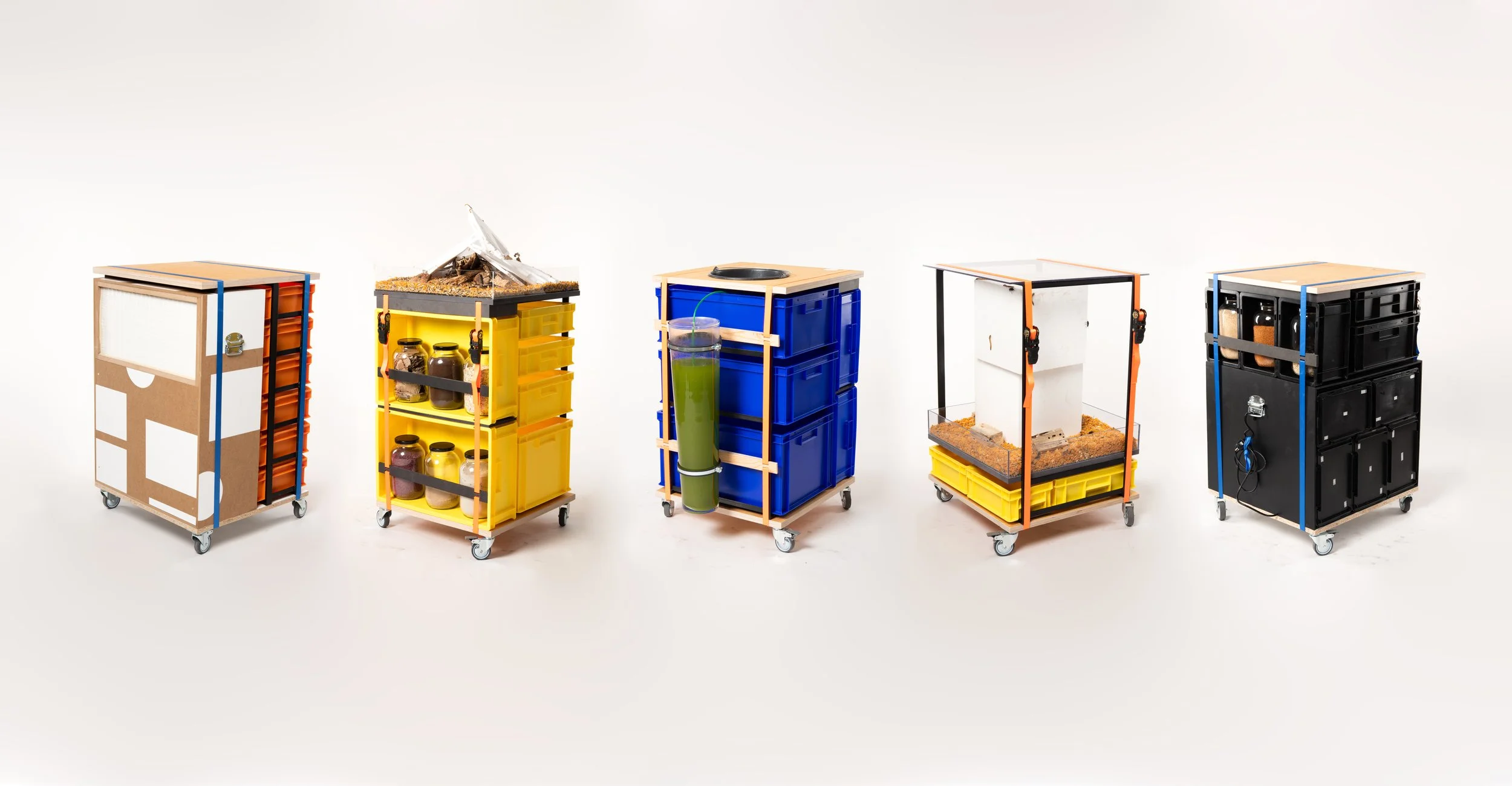
To explore this, we have developed five workshop modules in which participants can examine and experience pigment-producing microalgae, plastic-eating insects, multi-talented fungi and dye-producing airborne bacteria.
The modules are structured to provide designers with all the necessary materials and tools to work with the different species and look after them properly.
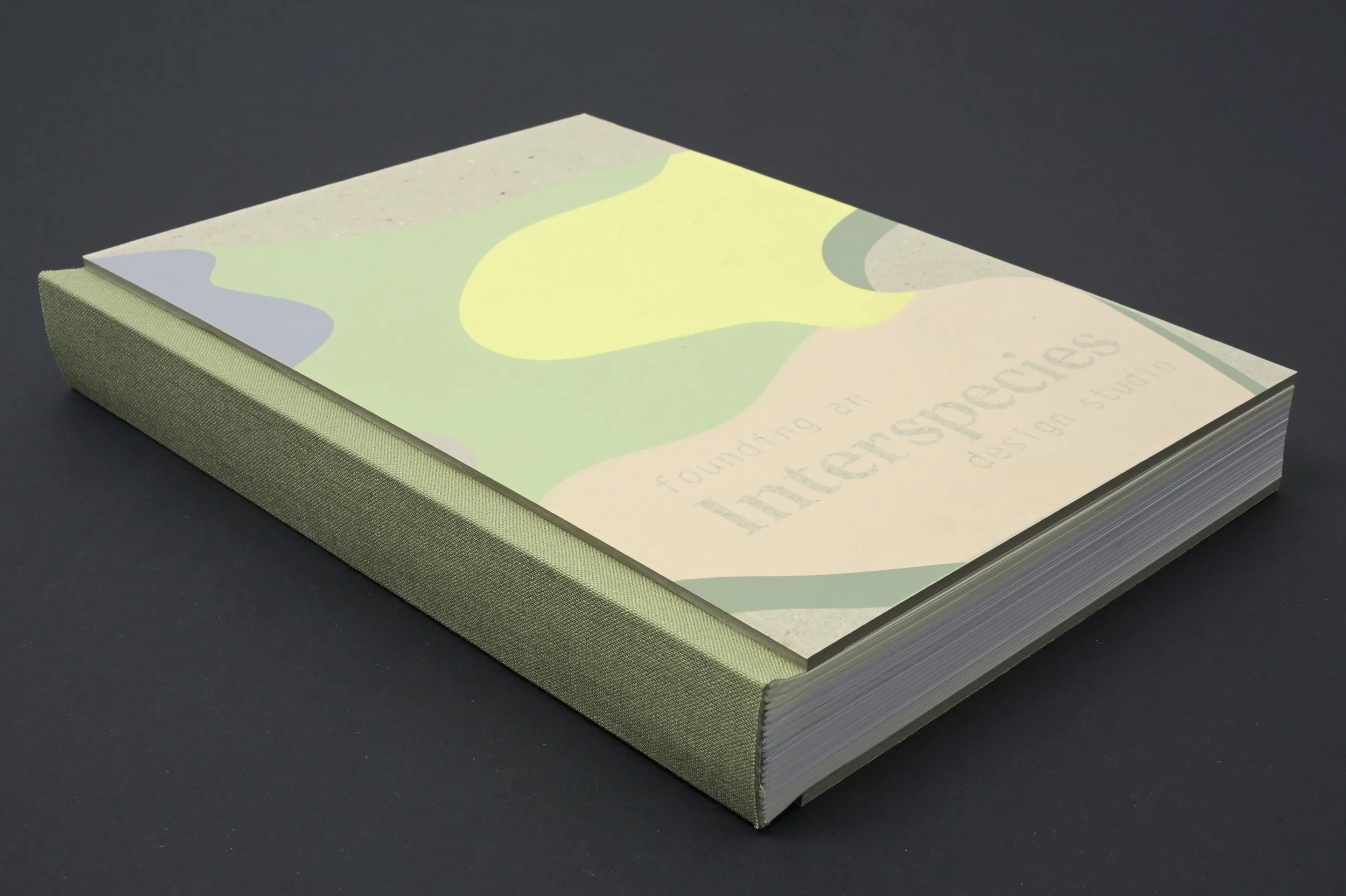
Writing a book about interspecies design
If you want to learn more about Interspecies Design, you can contact us to receive the full theoretical analysis. In our thesis, we discuss, among others, theories of symbiosis as a basis of evolution, drawing on Lynn Margulis’s endosymbiotic theory and Donna Haraway’s concept of the Chthulucene.
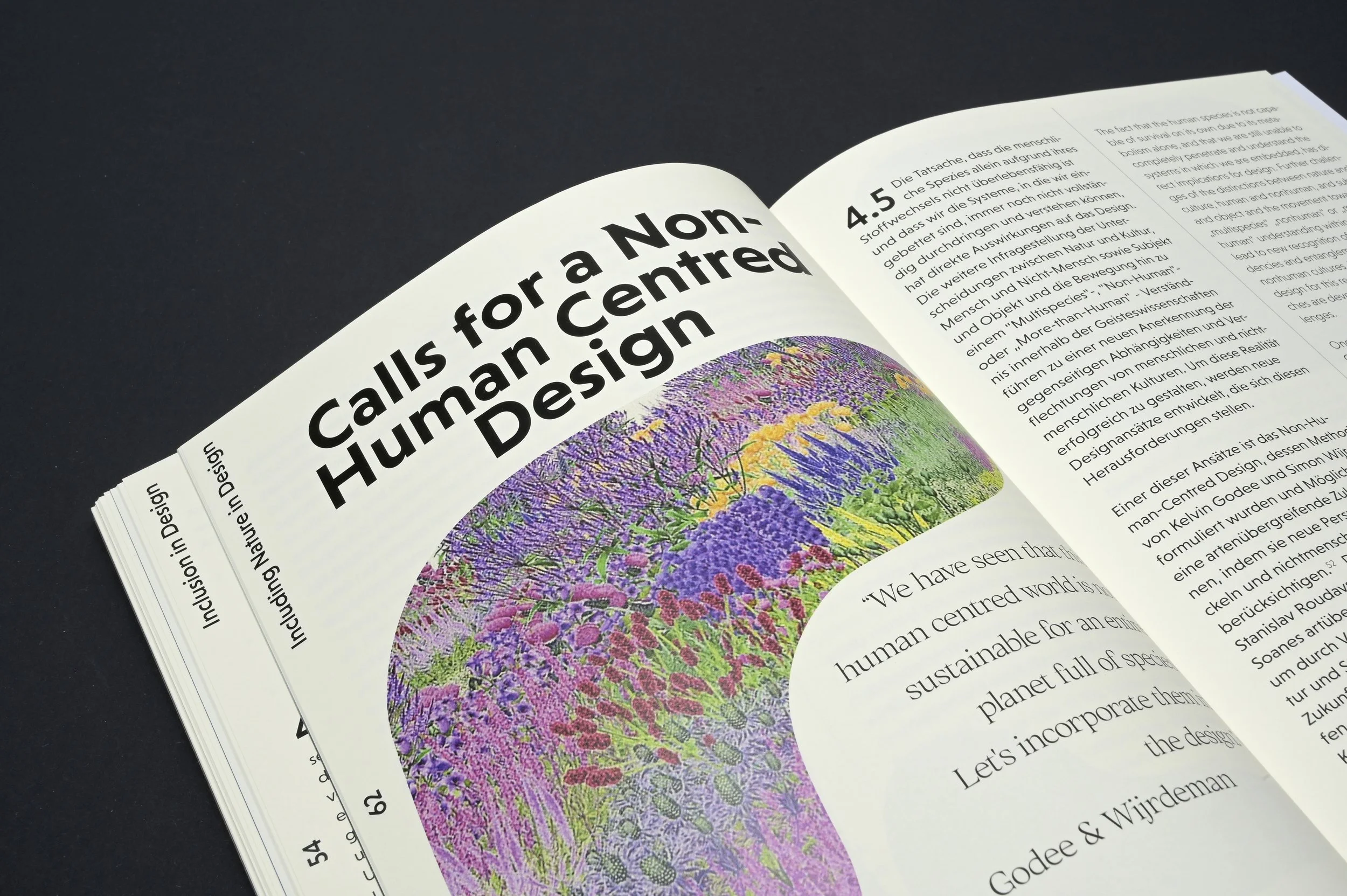
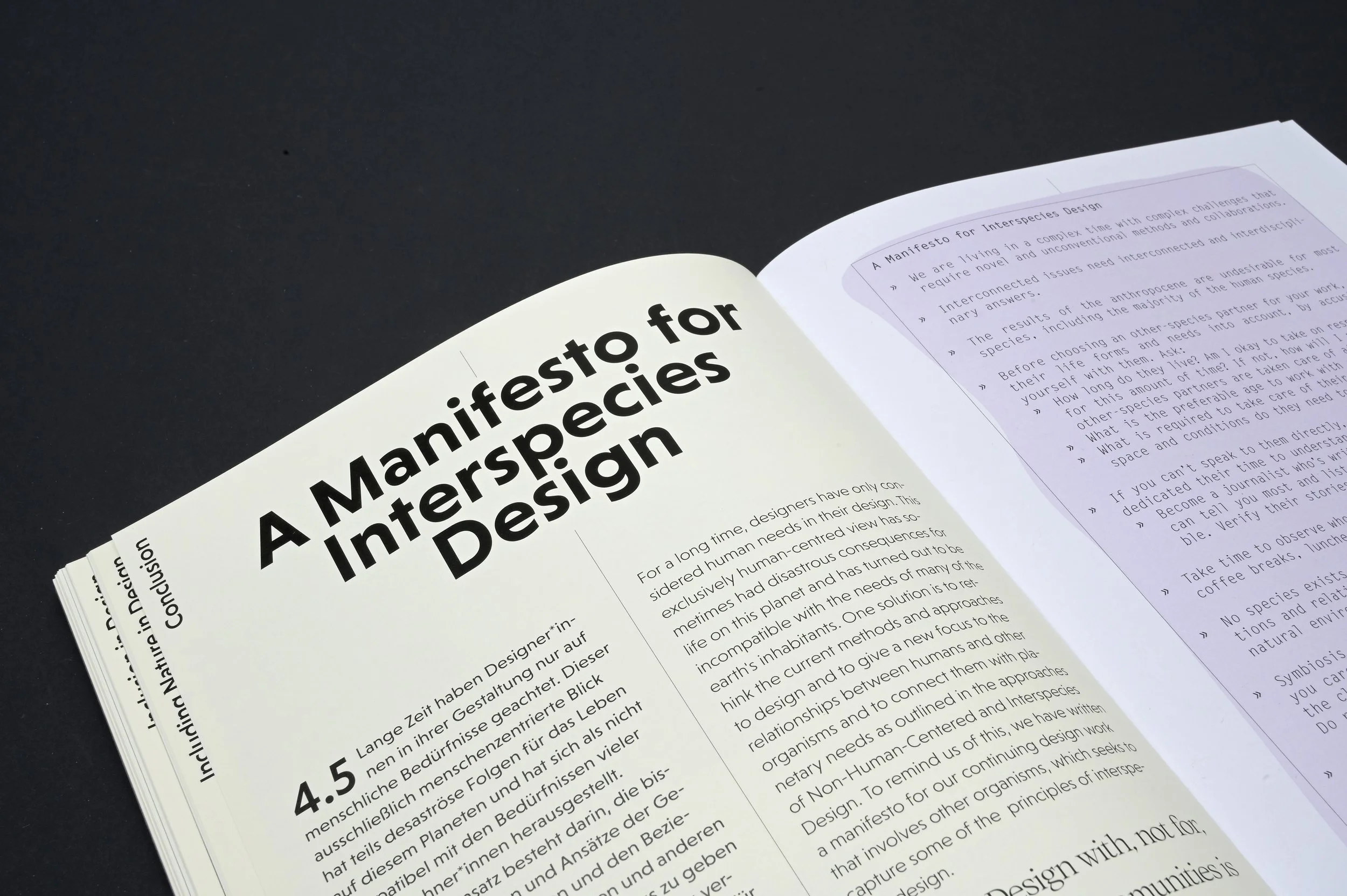
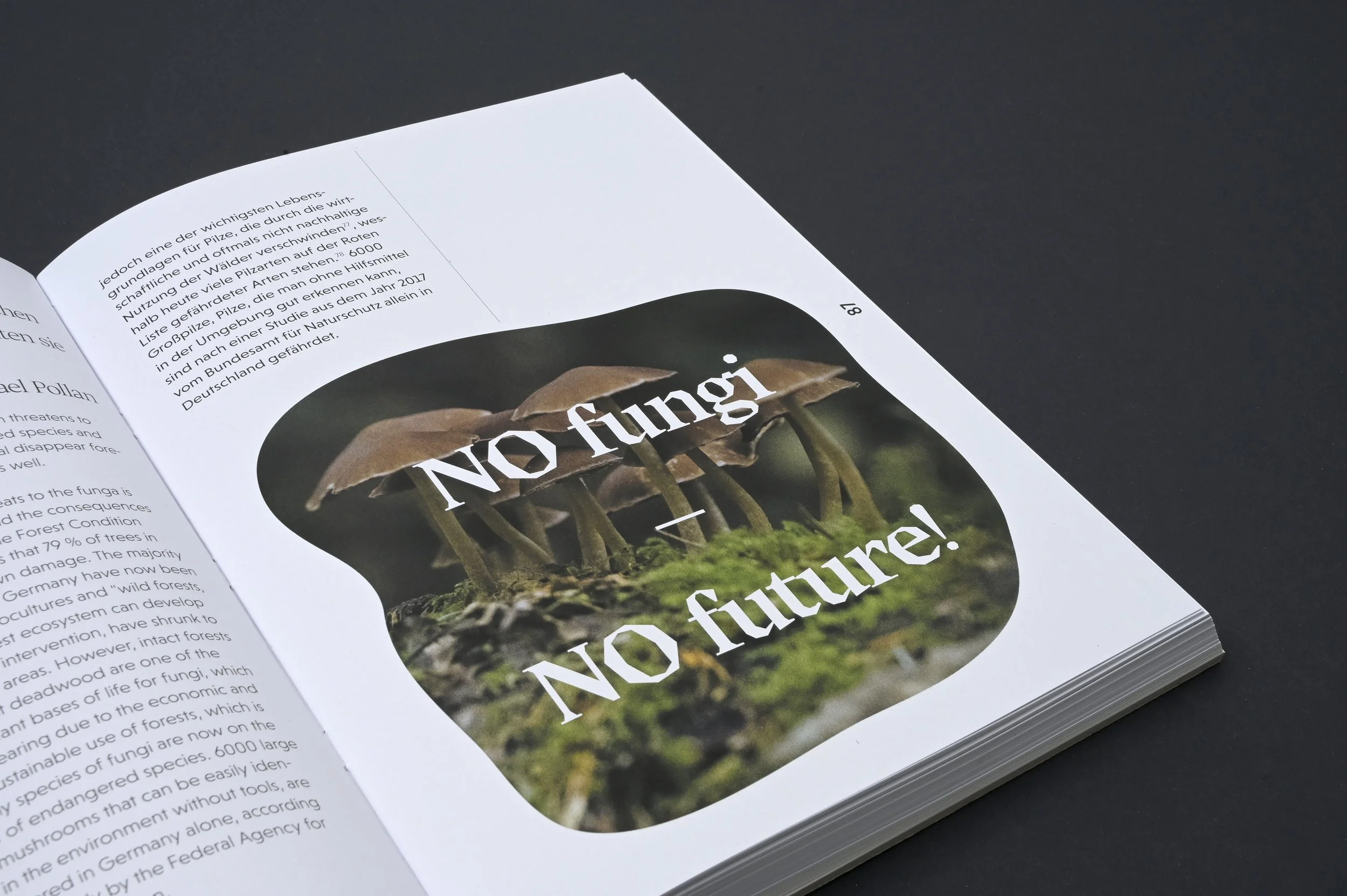
How Can We Design Inclusively Across Species?
And is it Possible to Ask Other Species for Help in Shaping and Overcoming Our Current Crises?
To answer these two research questions, we received a lot of support for both our practical and theoretical work.
Prof. Dr. Zane Berzina, Prof. Barbara Schmidt, Prof. Dr. Patricia Ribault, Prof. Dr. Jörg Petruschat from weissensee kunsthochschule berlin have helped us shape our work from the very beginning.
Dr. Bertram Schmidt from TU Berlin, Department of Applied and Molecular Microbiology, helped us understand the hidden world of fungi. Dr. Stefan Junne, also from TU Berlin’s Department of Bioprocess Engineering at the Institute for Biotechnology, introduced us to our algae, Chlorella vulgaris, one of our most loyal team members.
In Dr. Jörg Freyhof from the Museum of Natural History and the Leibniz Institute for Evolution and Biodiversity Research, we found a wonderful expert on insects, and you can find a great interview with him in our book.
A real enrichment to our project was the exchange with Dr. Erich Schopf, a food chemist and freelance bacteriologist, who guided us into the colorful world of bacteria.